General Description
Commercially available carbon products show a wide range of properties, particularly in the degree of calcination, baking, or graphitization and, as a result, in density. The measurement of the real density is essential to ensure and understand the heat treatments that the different materials have undergone during their production, which can lead to issues during their use. Combined with other measurements, such as the crystallite size measured by X-Ray diffraction, it could be used to determine the nature of a given coke or to perform temperature distribution profiles in a baking furnace.
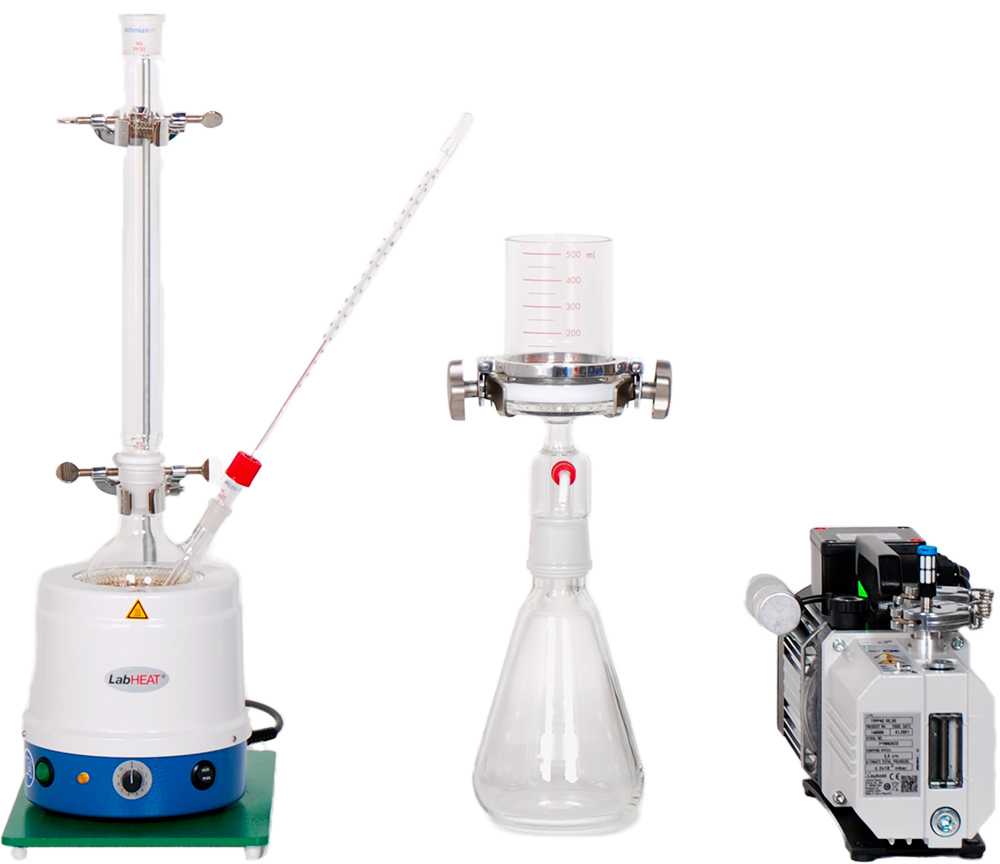
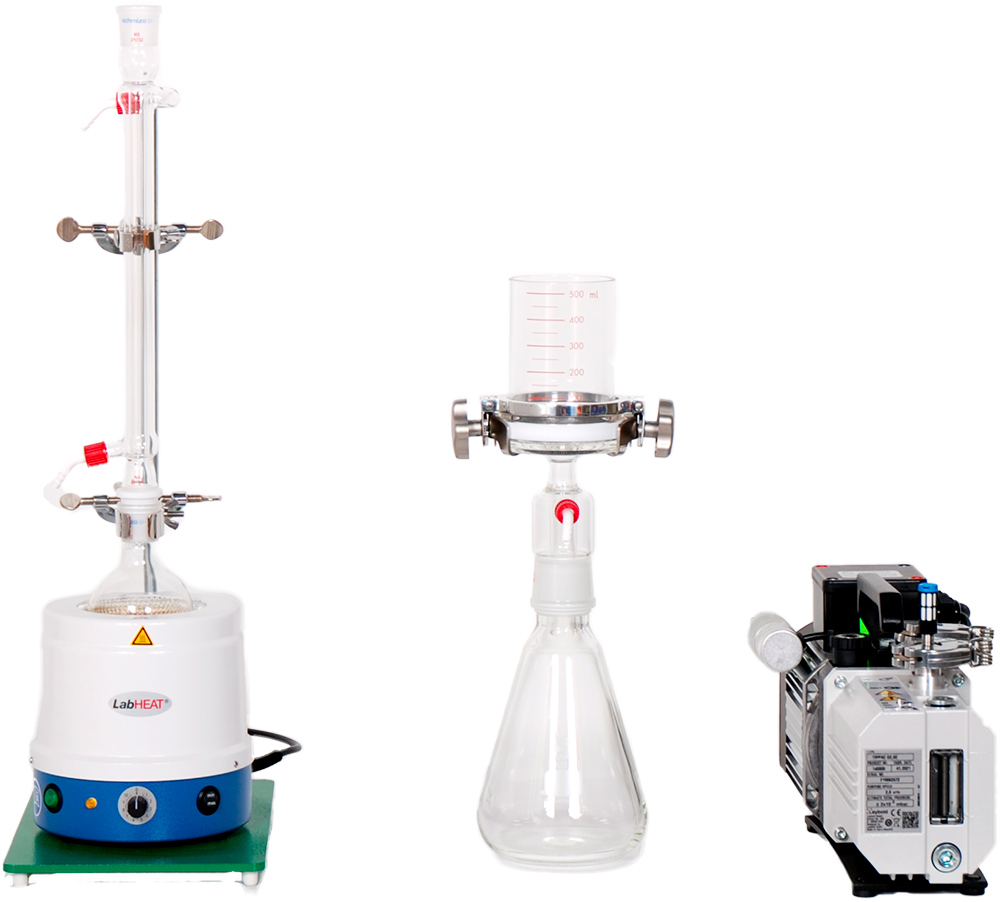
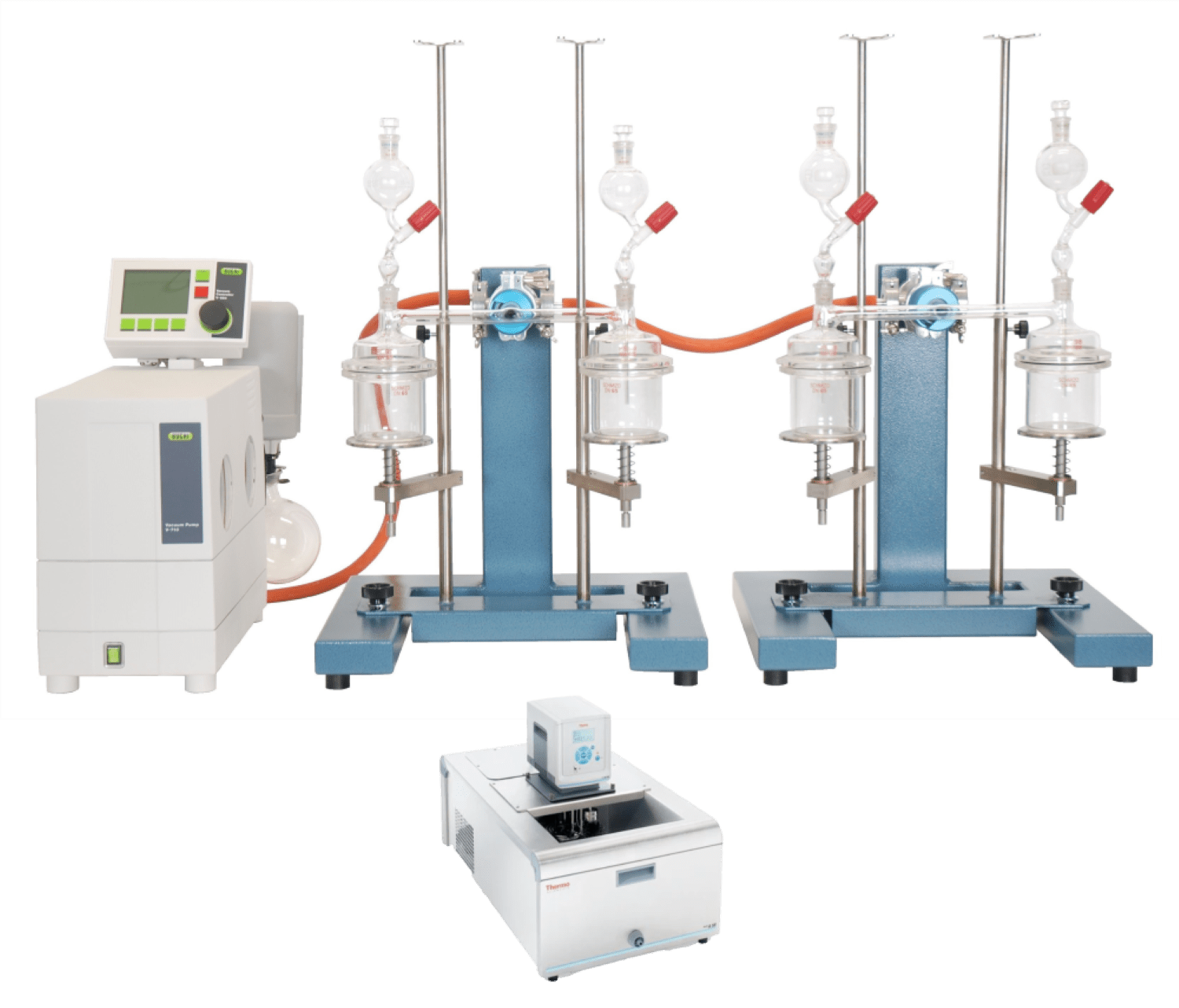
With the RDC-152 apparatus, the real density at 25°C of a milled product is determined by pycnometry. The equipment is composed of several vacuum chambers where the pycnometers containing the samples are filled with xylene or water determined by the type of material to be measured. The number of chambers may be increased depending on the required testing capacity. After filling, the pycnometers are placed in a water bath at 25°C until the temperature has stabilized. By measuring the weights at different analysis steps, the real density is calculated and reported in kg/dm3.
Technical Information
0.42 kW, 2 A
0.35 kW, 1.6 A
Additional Recommended Equipment
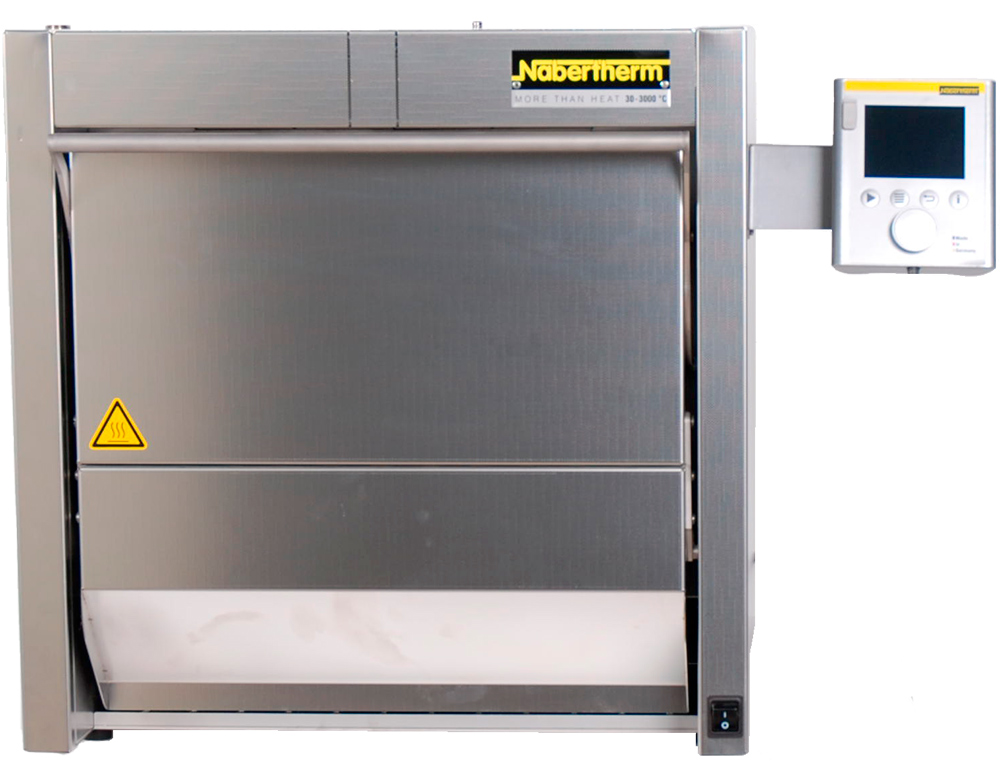
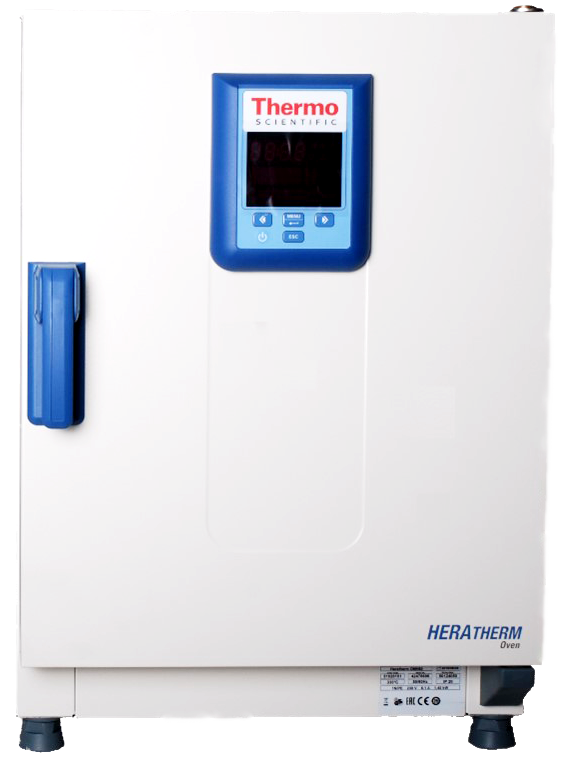
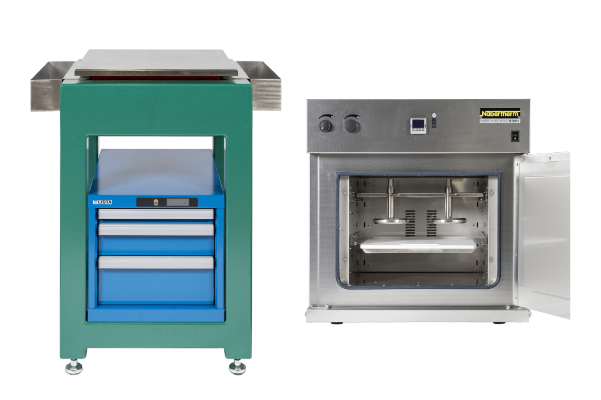
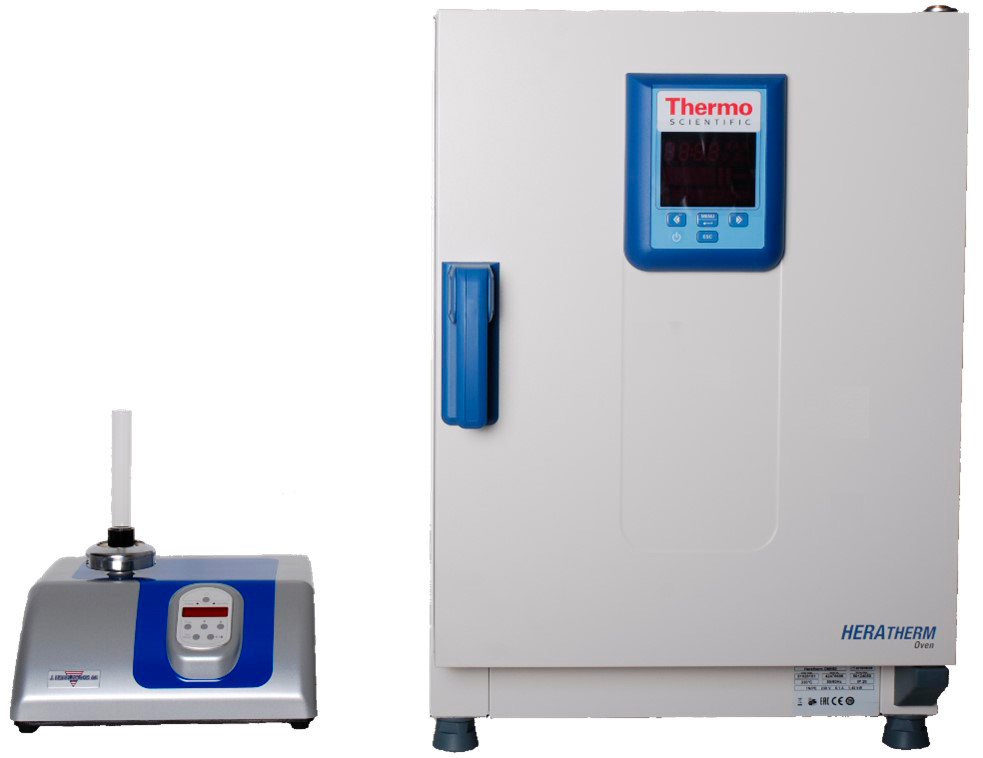
Drying oven (min. temperature 180°C)
Dessicator
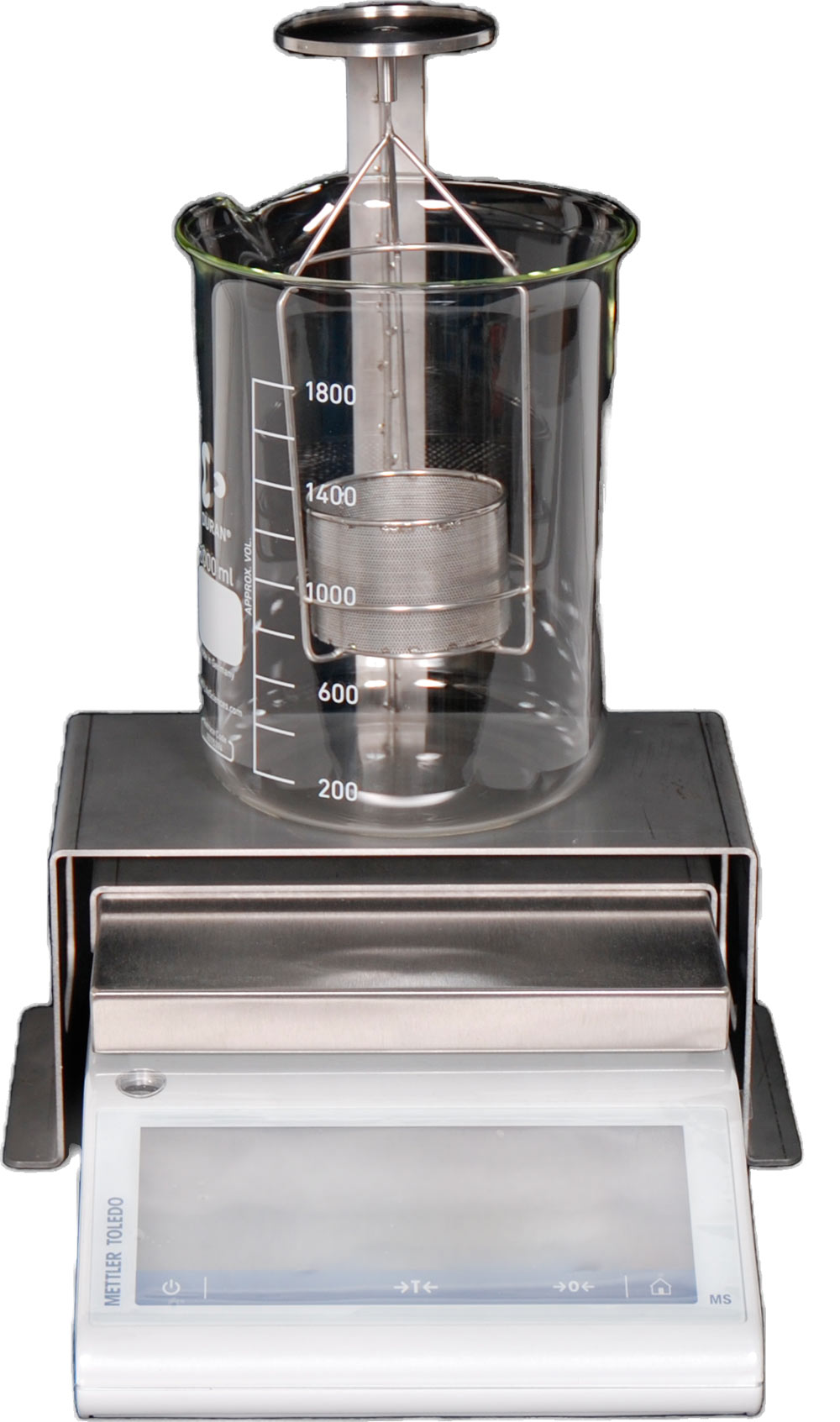
Weighing scale with an accuracy of 0.0001 g
Crusher (< 4 mm)
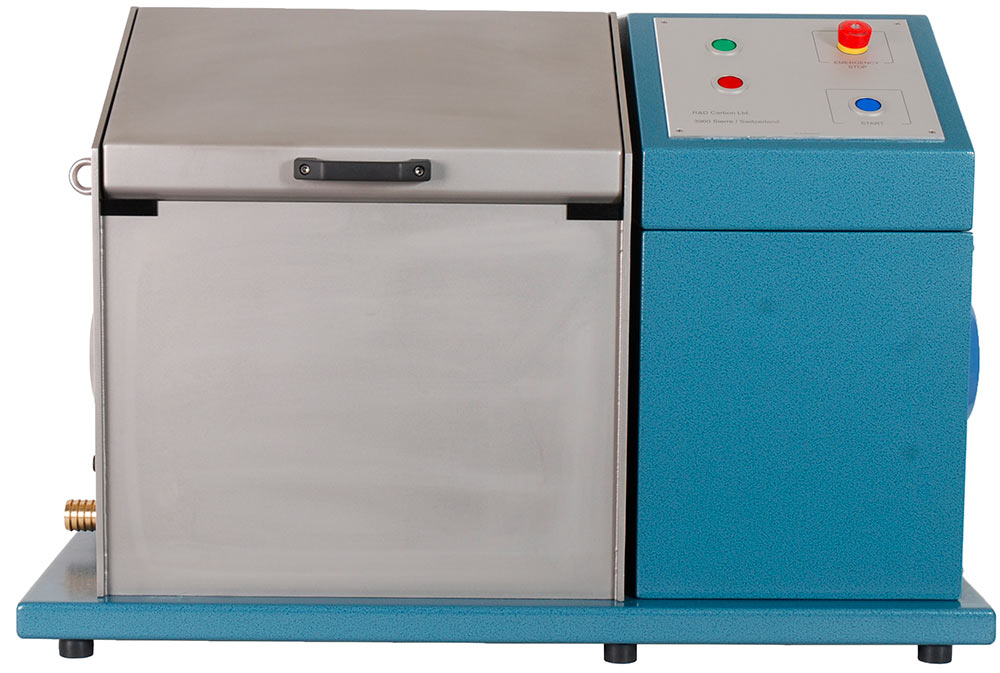
Vibratory Mill (< 63 μm)
Sieving machine for the pitch (2 mm and 1 mm sieves)

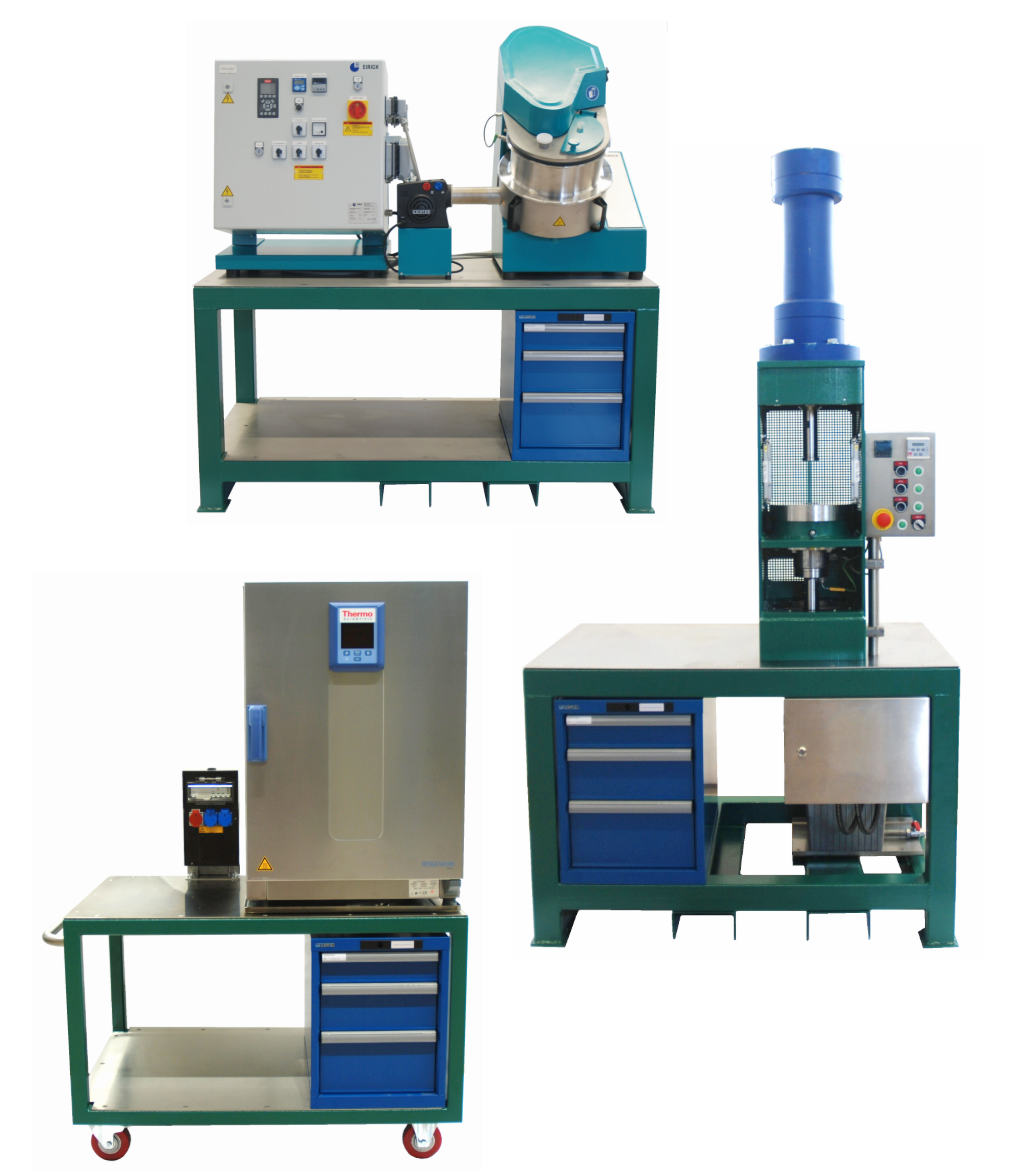
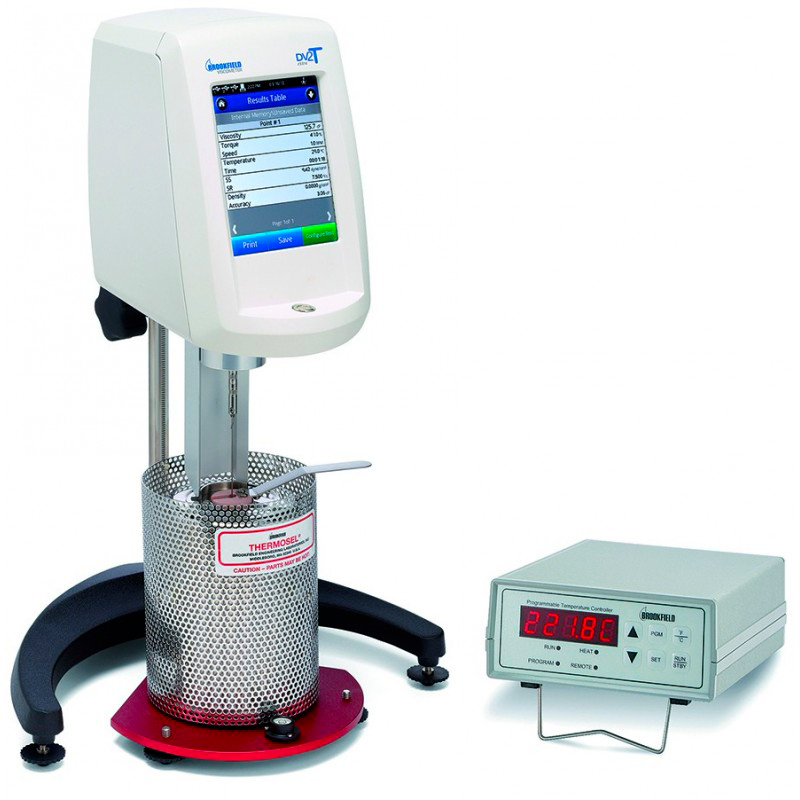
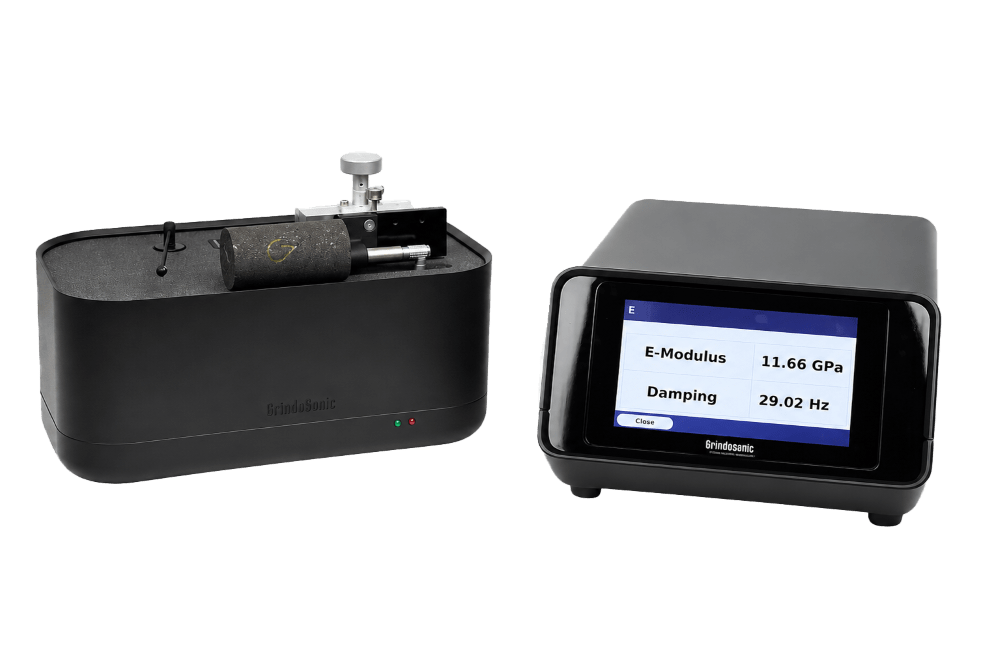
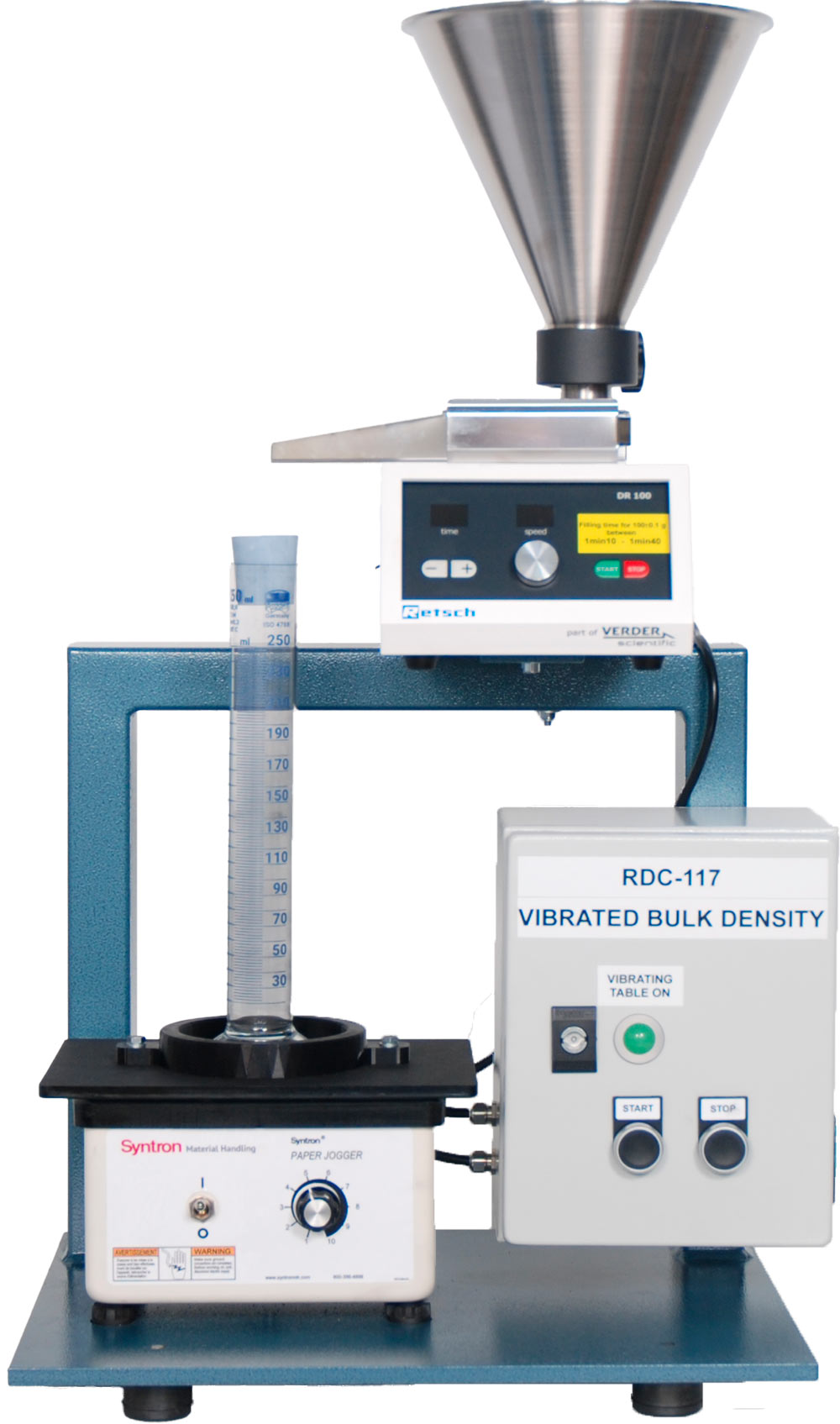
Other Binder, Electrodes, Granular, Lining Equipment