General Description
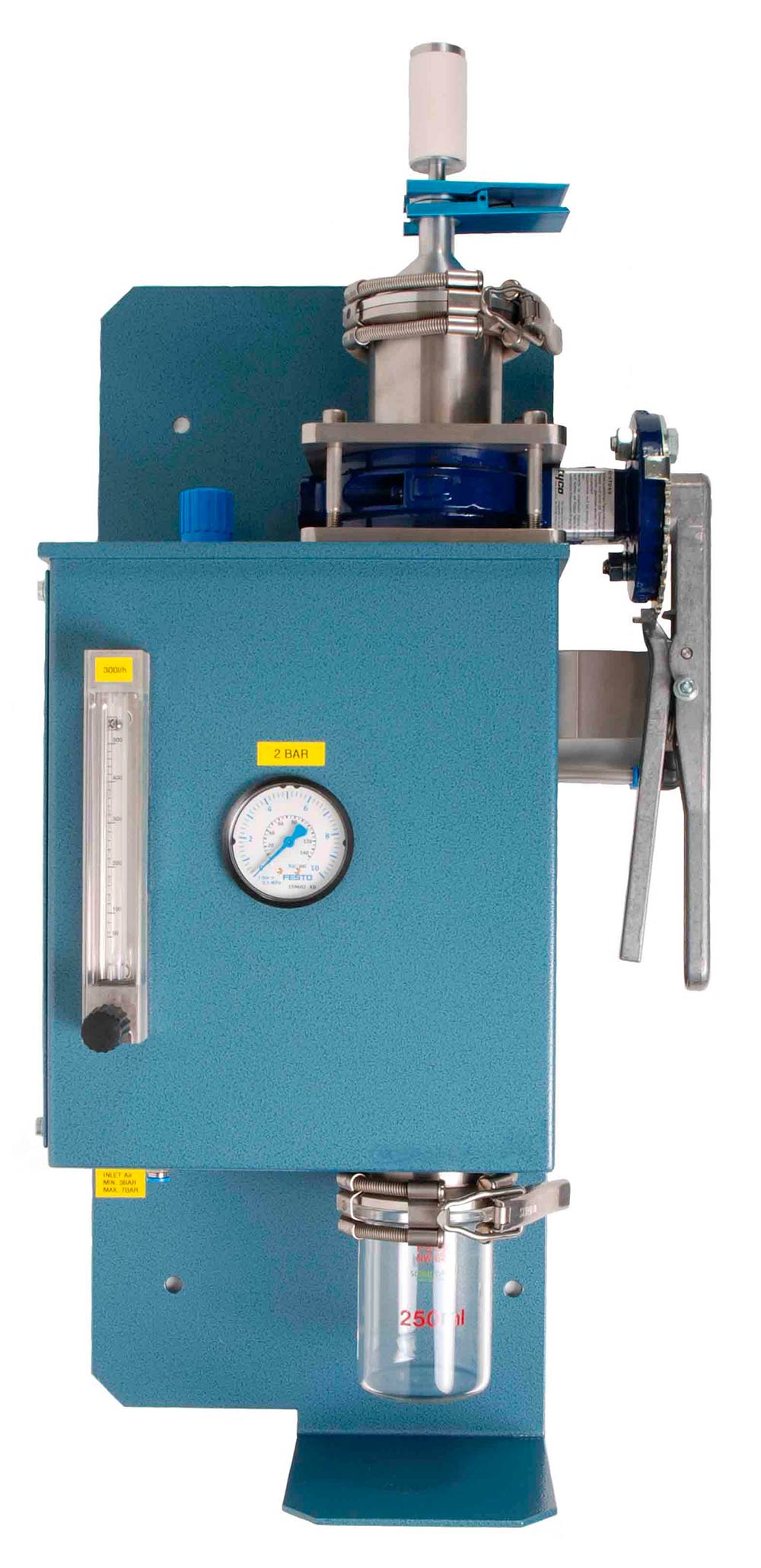
To minimize the net anode consumption in the electrolysis cells, it is important to use anodes with low reactivity to CO2 gas, which can be measured by the RDC-146 apparatus. This allows increasing the quantity of carbon available for the production of aluminium and decreasing the excess carbon consumption, which reduces the aluminium production cost.
As the CO2 reactivity of the baked anodes is strongly impacted by the reactivity of the calcined cokes, it is worthwhile to measure it on a routine basis to predict and anticipate any anode quality variations.
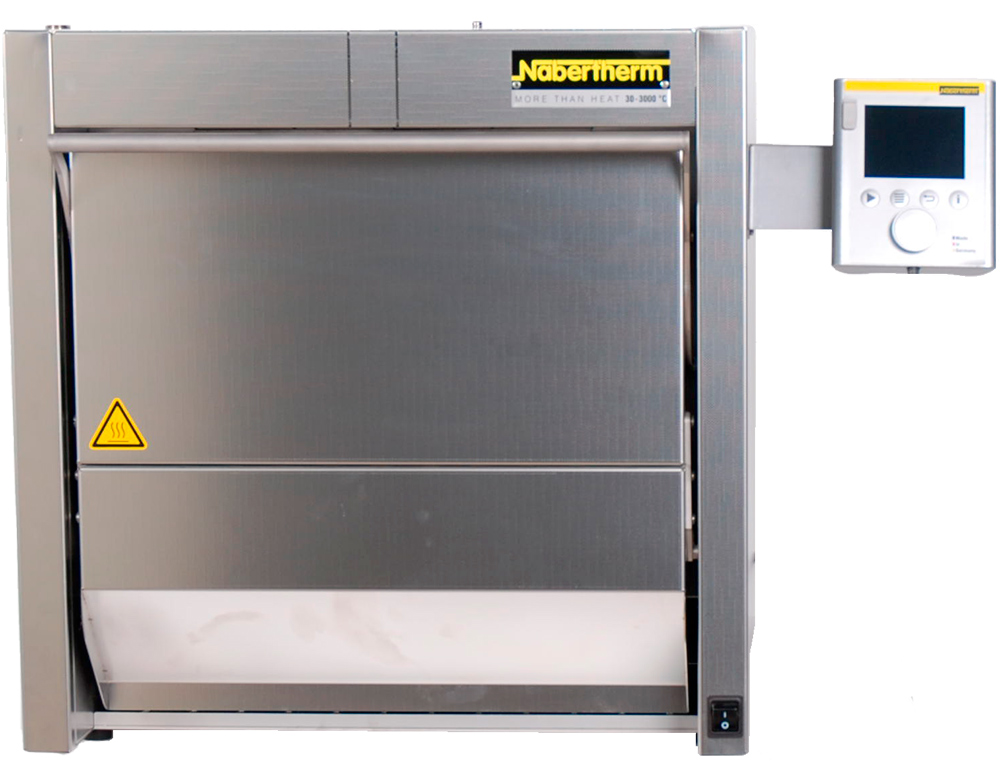
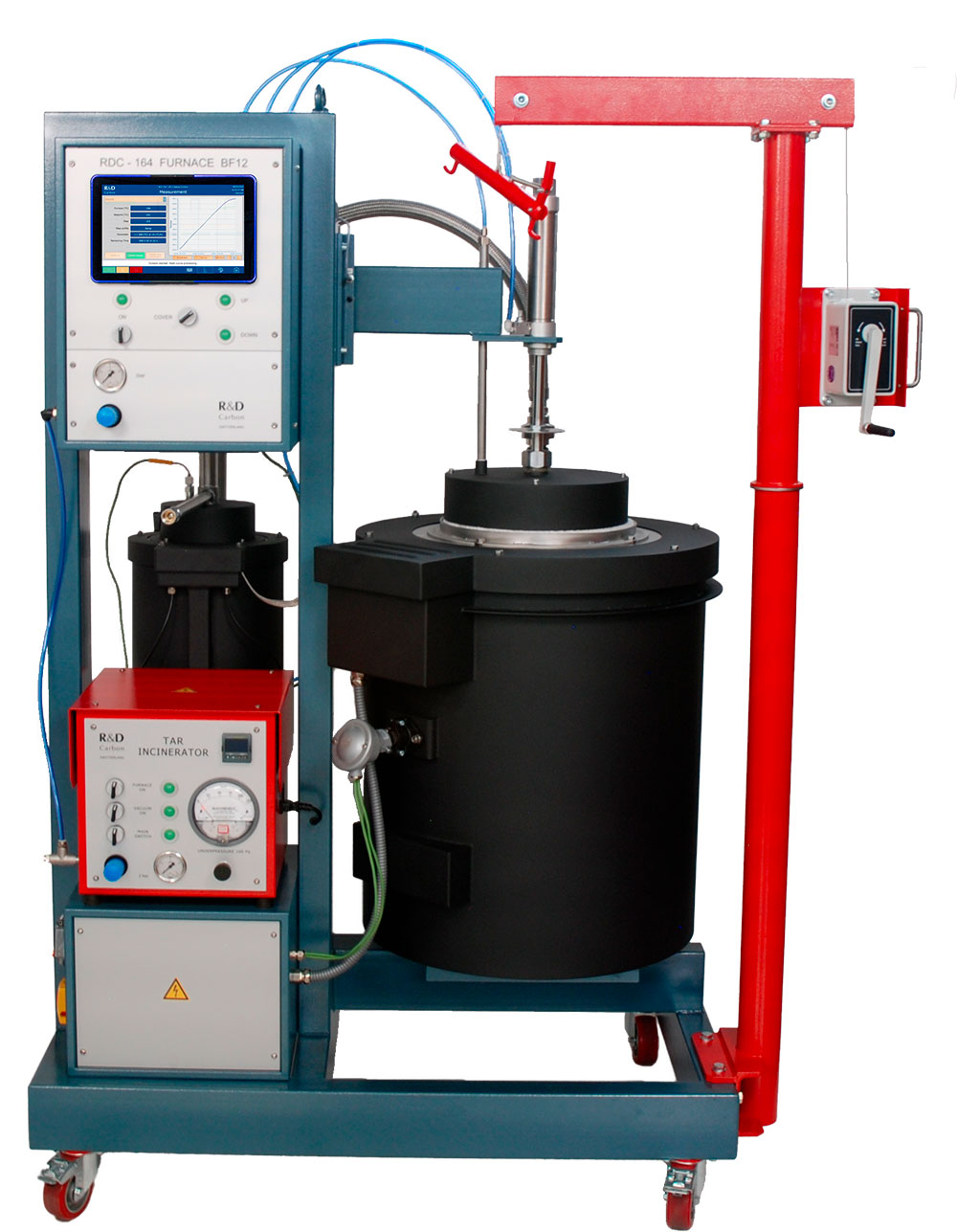
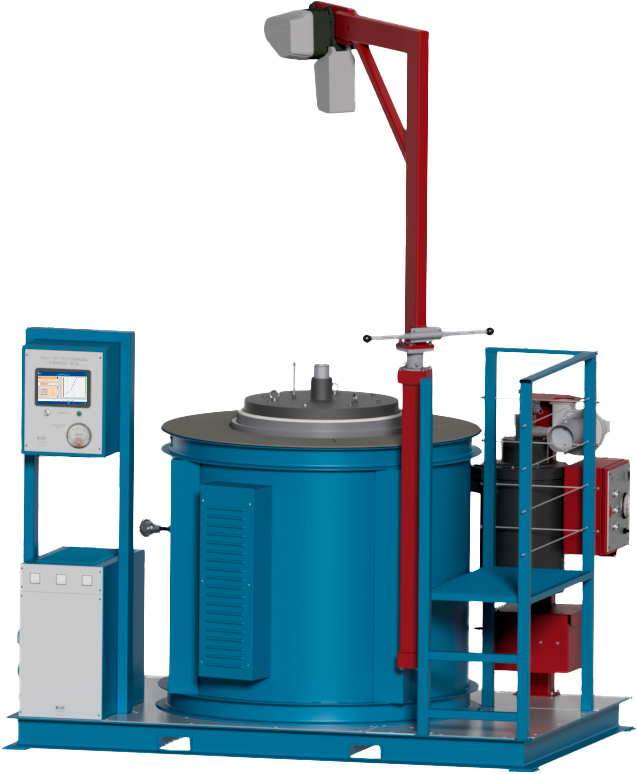
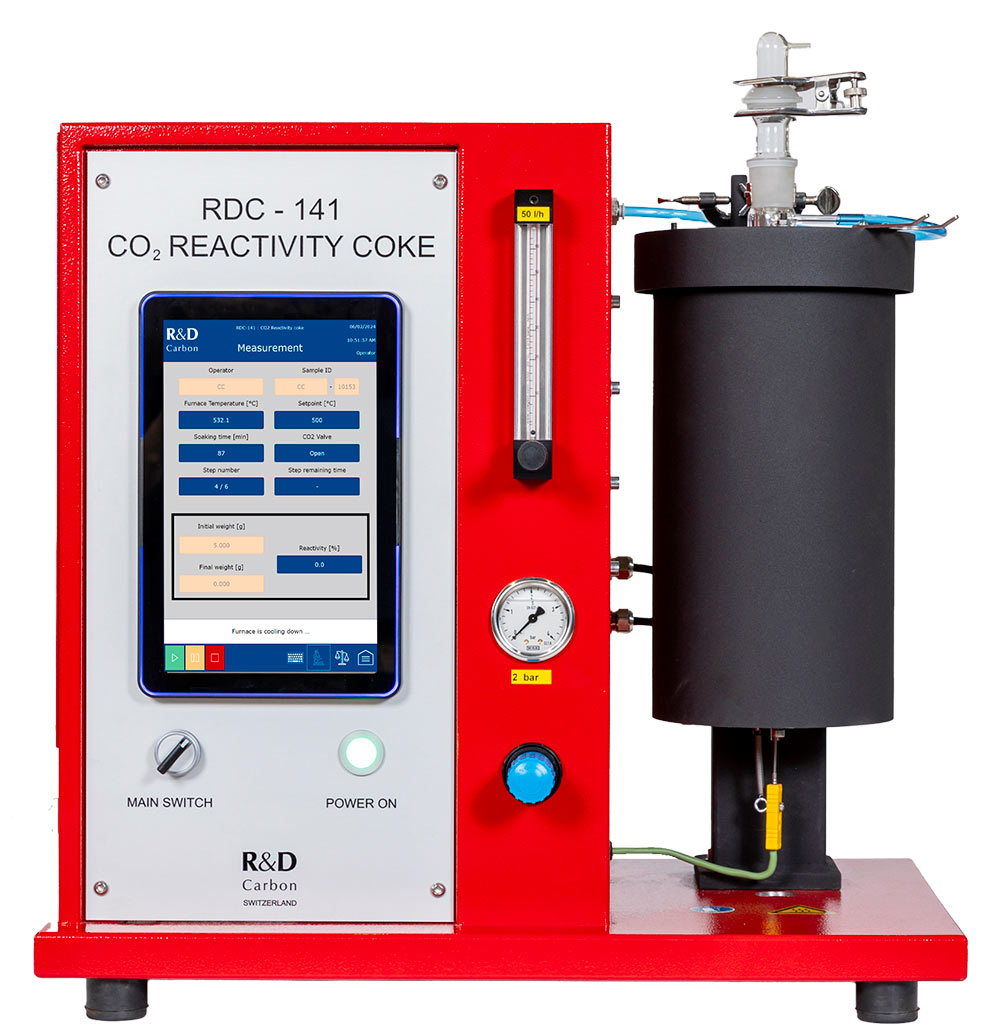
The measurement is conducted with the RDC-141 apparatus, where a calcined coke sample is heated at 1000°C during a given period of time while it is exposed to a saturated CO2 atmosphere. At the end of the heating cycle, the sample is weighed and the mass loss, in percent, is used to express the CO2 reactivity of the sample.
Technical Information
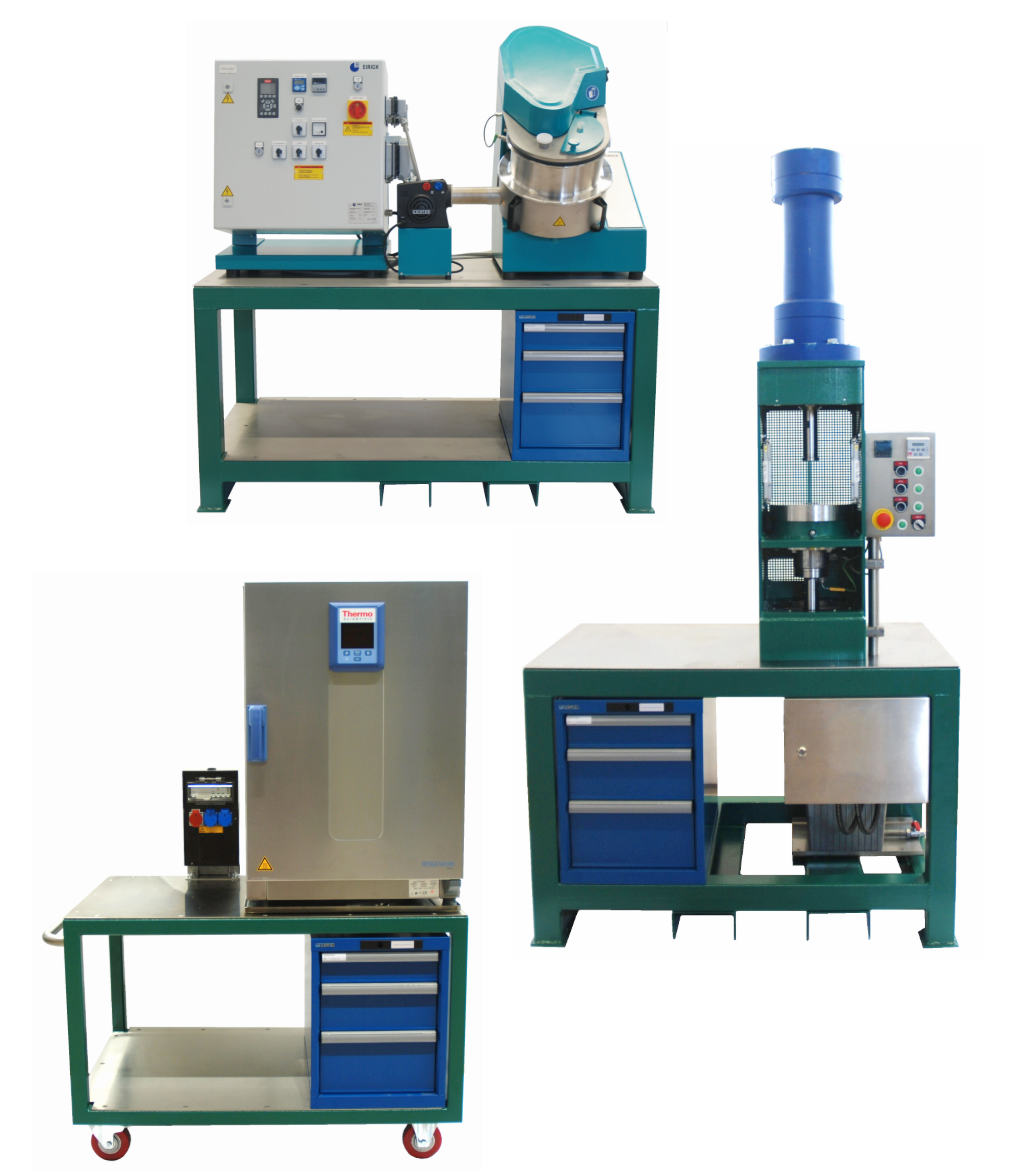
Additional Recommended Equipment
Oil Content Heating Method (RDC-208)
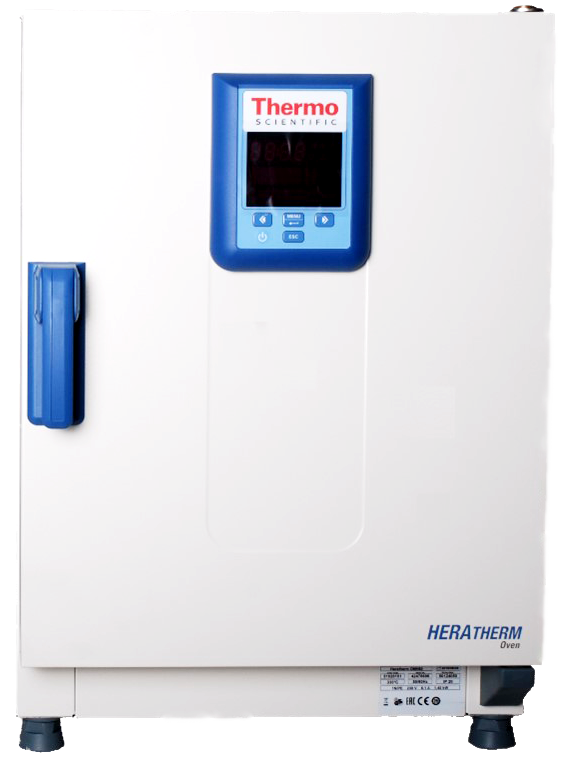
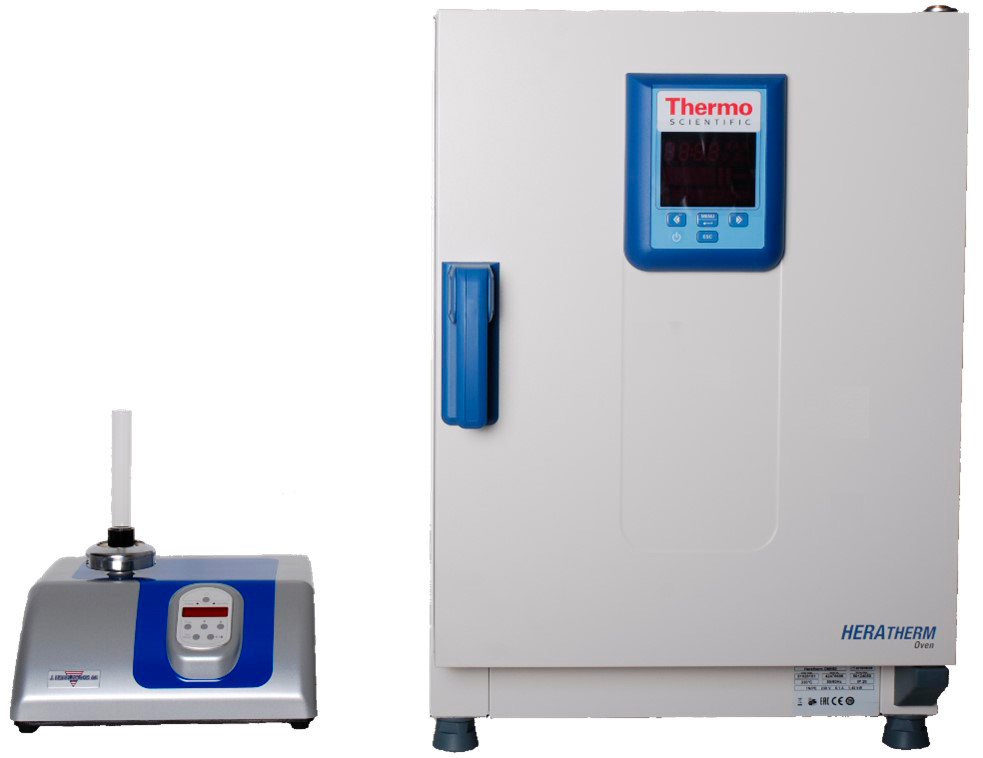
Drying oven (min. temperature 110°C)
Weighing scale with an accuracy of 0.001 g
Crusher (< 1.5 mm)
Sieving machine (1.4 mm and 1 mm sieves)

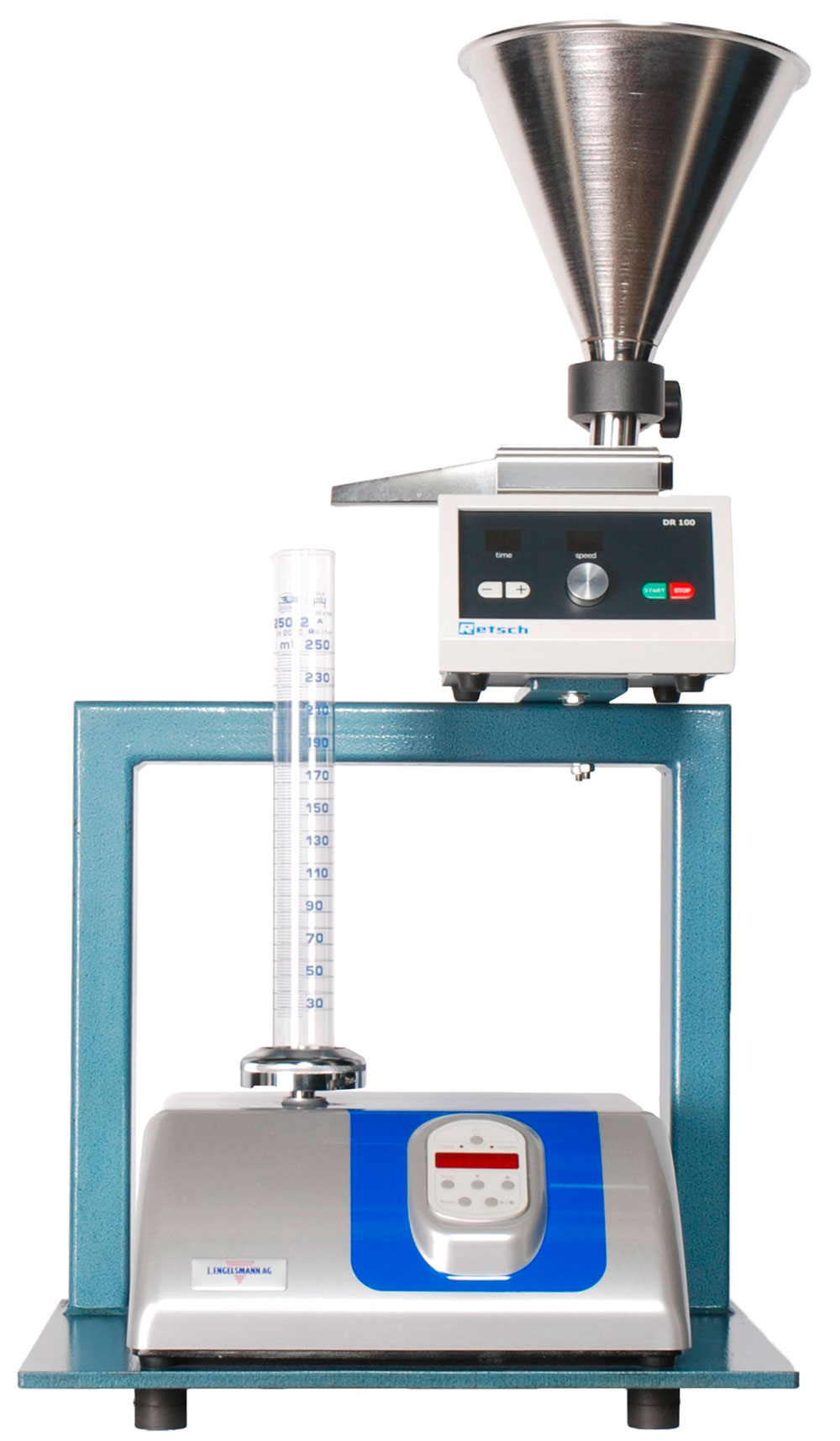
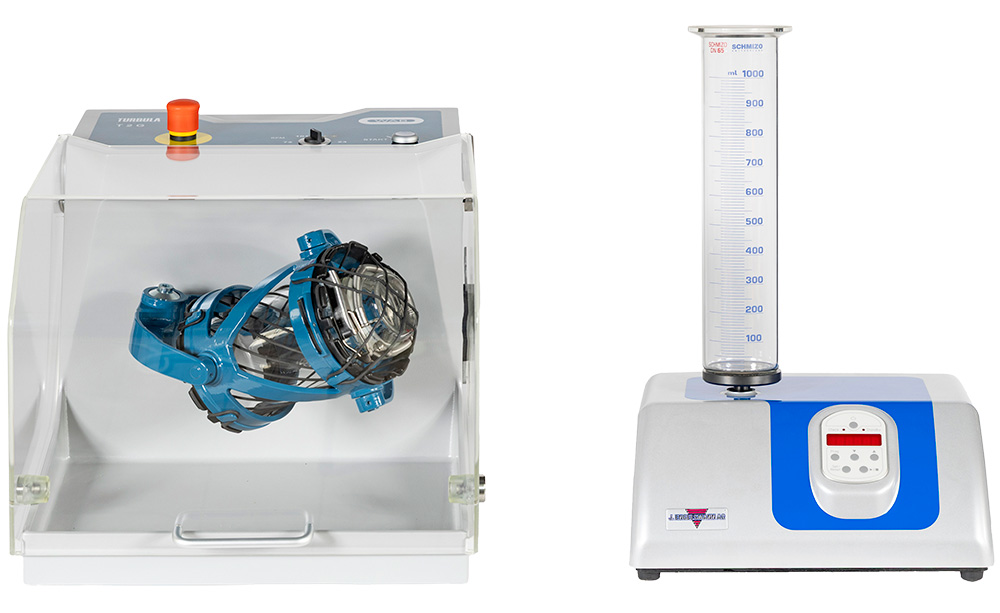
Other Granular Equipment