Research & Development

Innovation is our Strength
Understanding the impact of raw materials on final products through fundamental and applied research is in our DNA. In collaboration with leading companies and universities worldwide, we have contributed to hundreds of technical papers and Ph.D. dissertations over the years.
Building on decades of expertise, we have developed our own evaluation methods and equipped our research center with advanced instruments, enabling pilot-scale testing and delivering actionable insights for product development and process optimization.
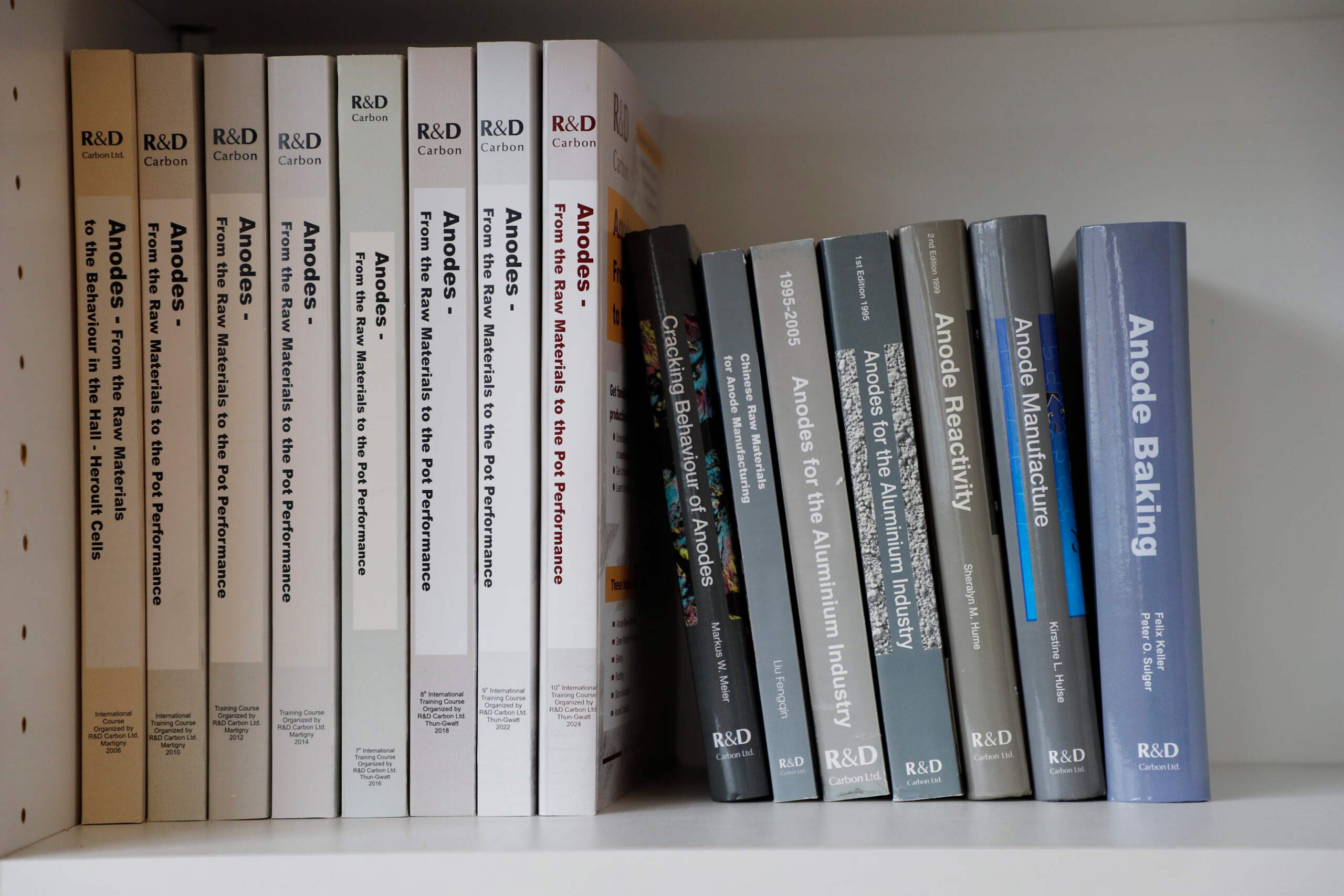
Continue exploring this page to discover our research center, our typical evaluation methods, and our published research including books that bring together years of scientific and technical work.
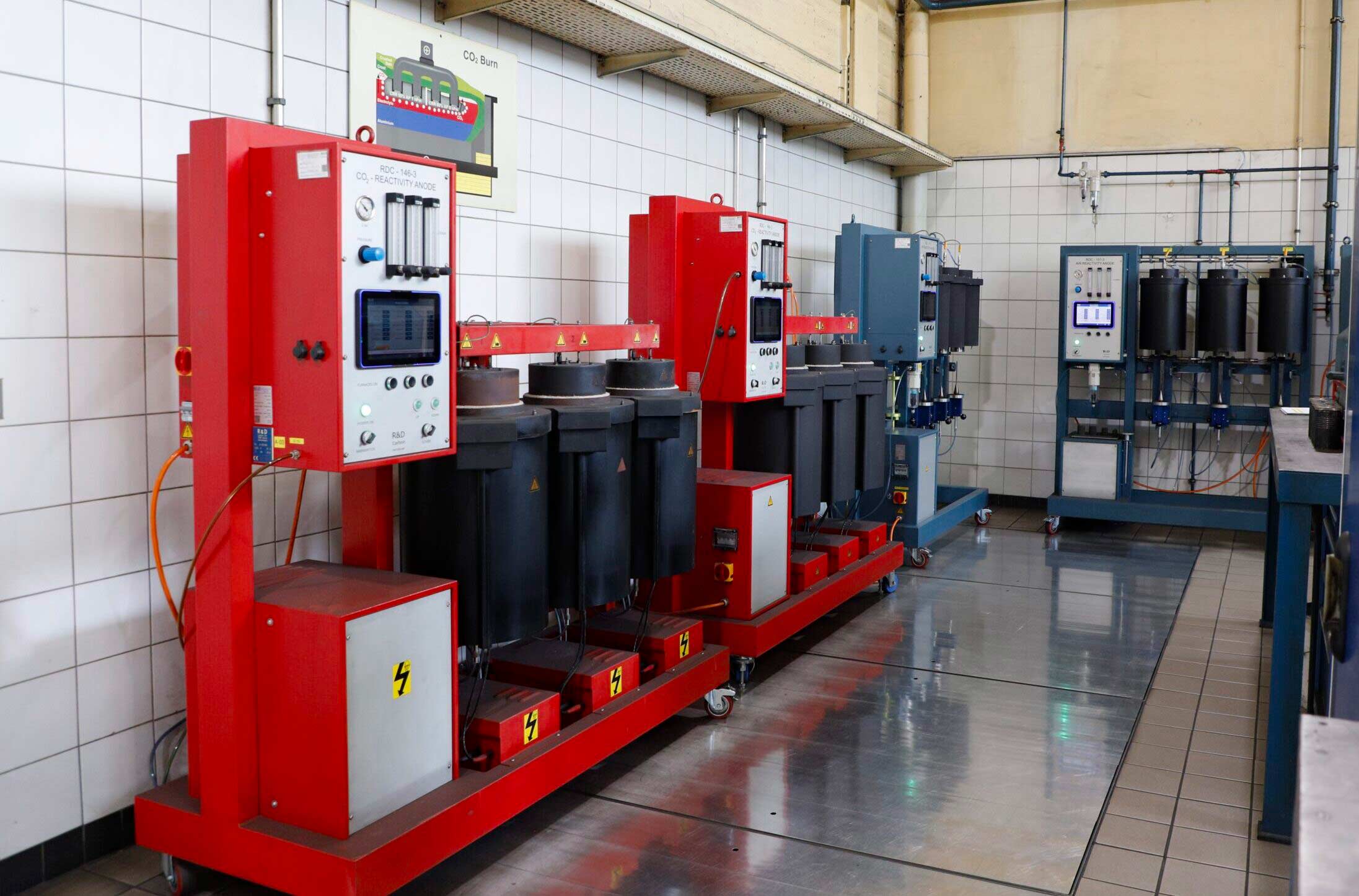


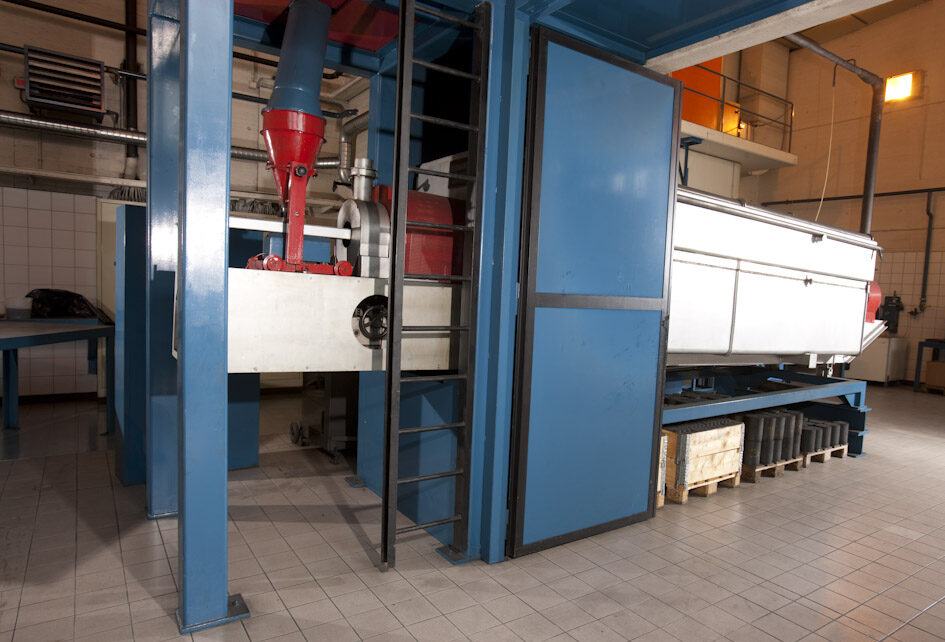
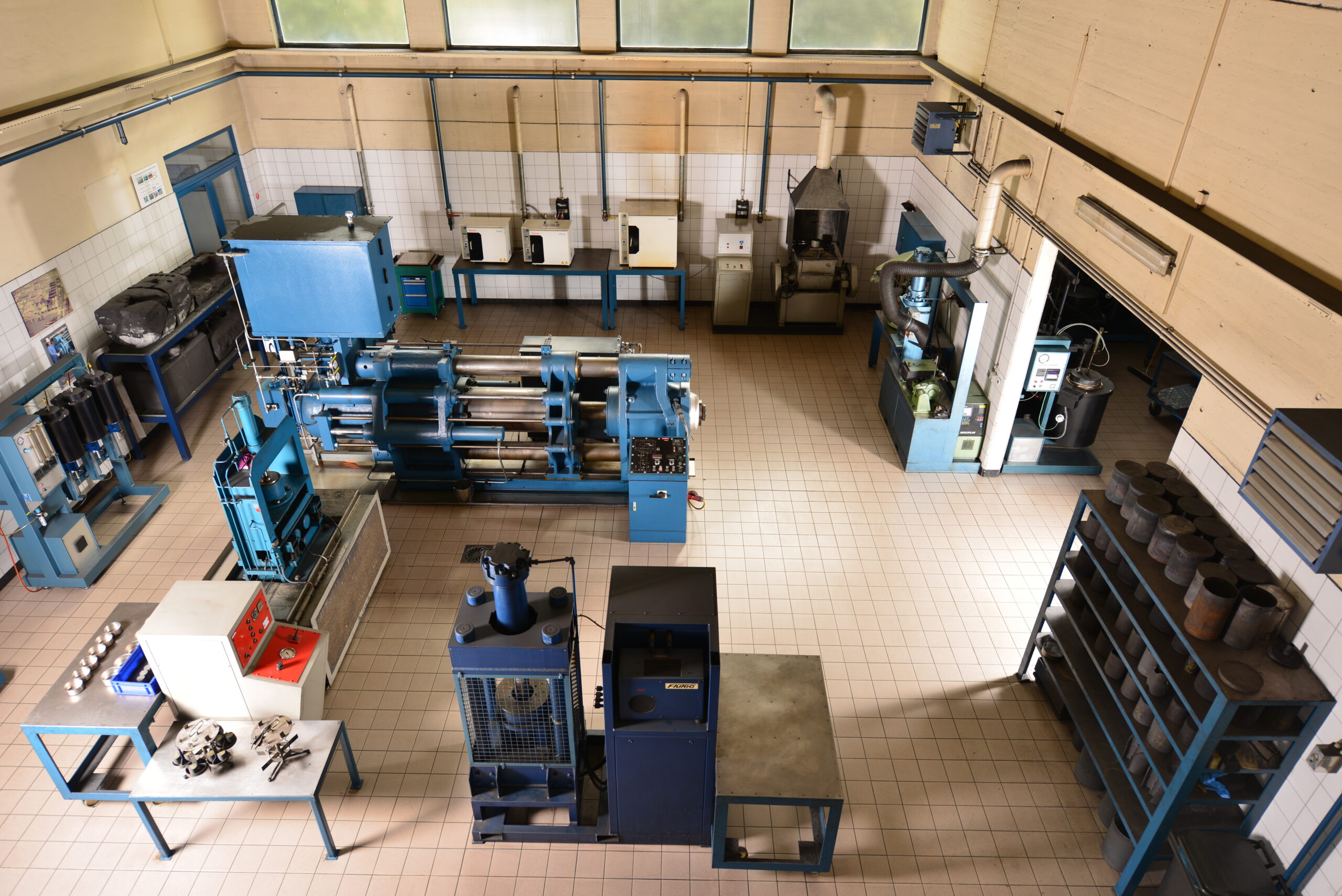
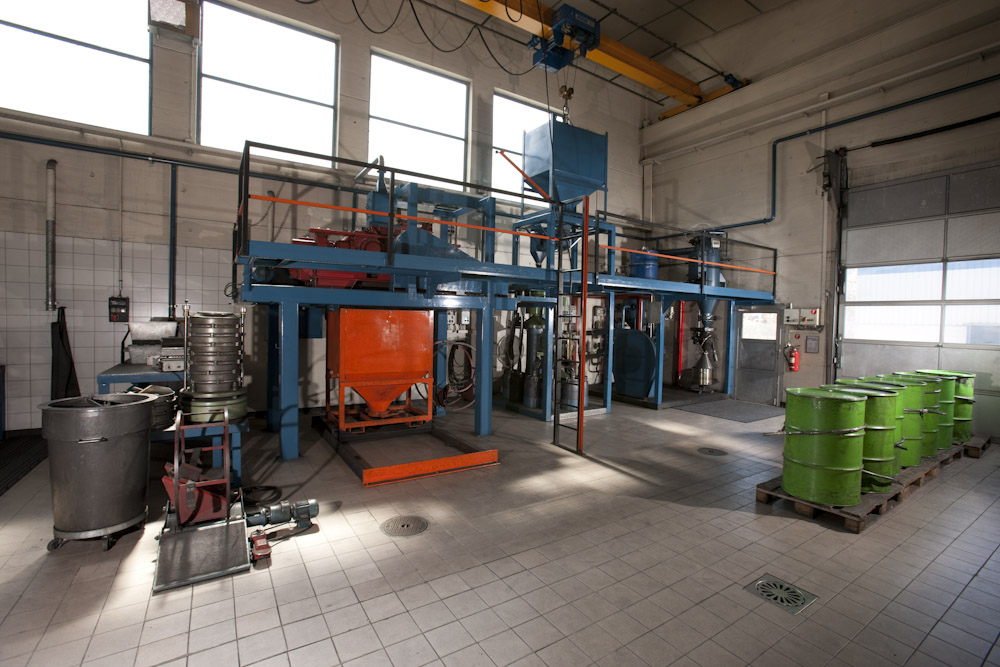
A View Inside… our Research Center
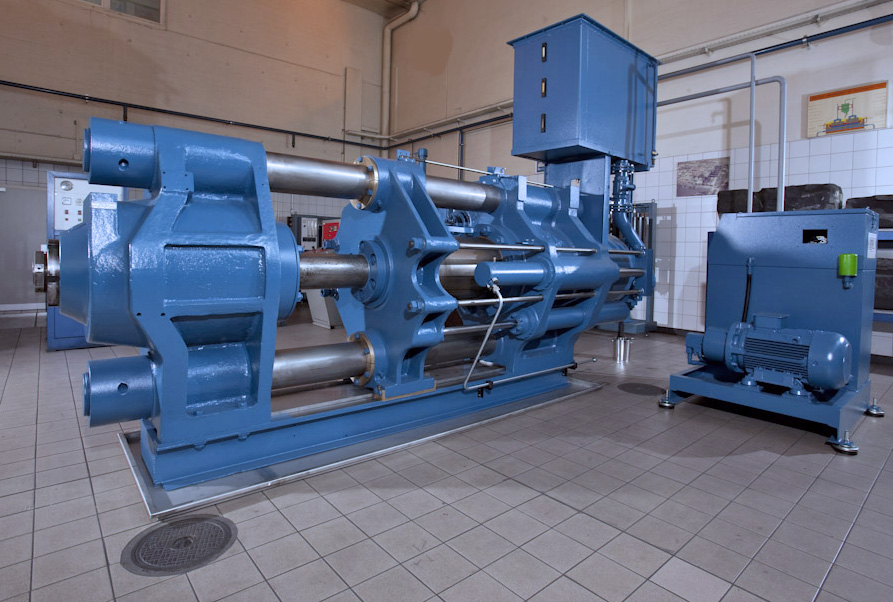
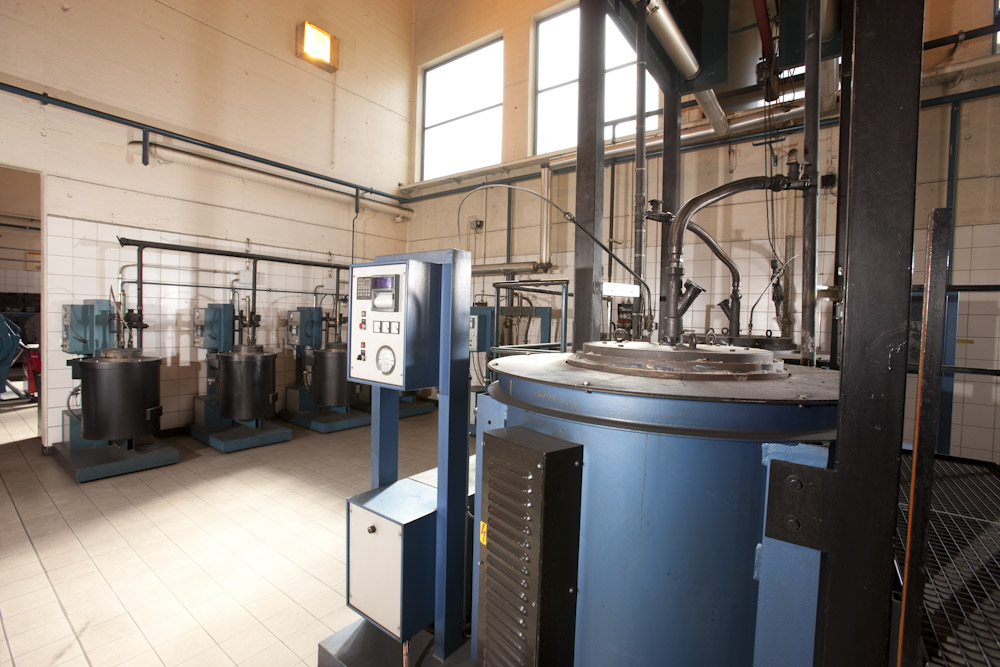
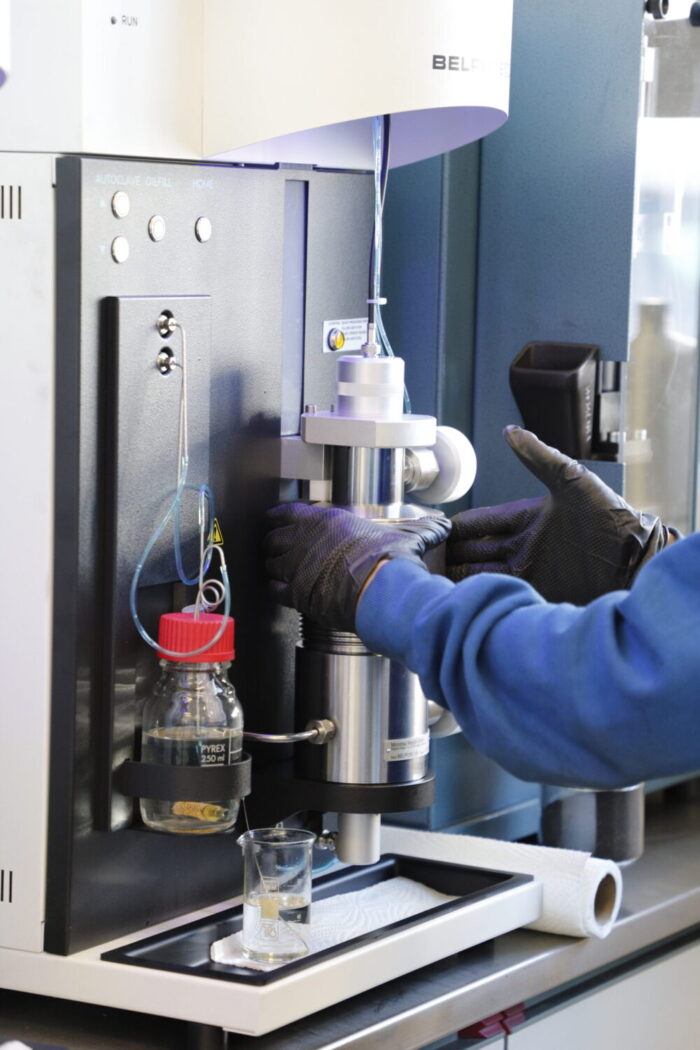
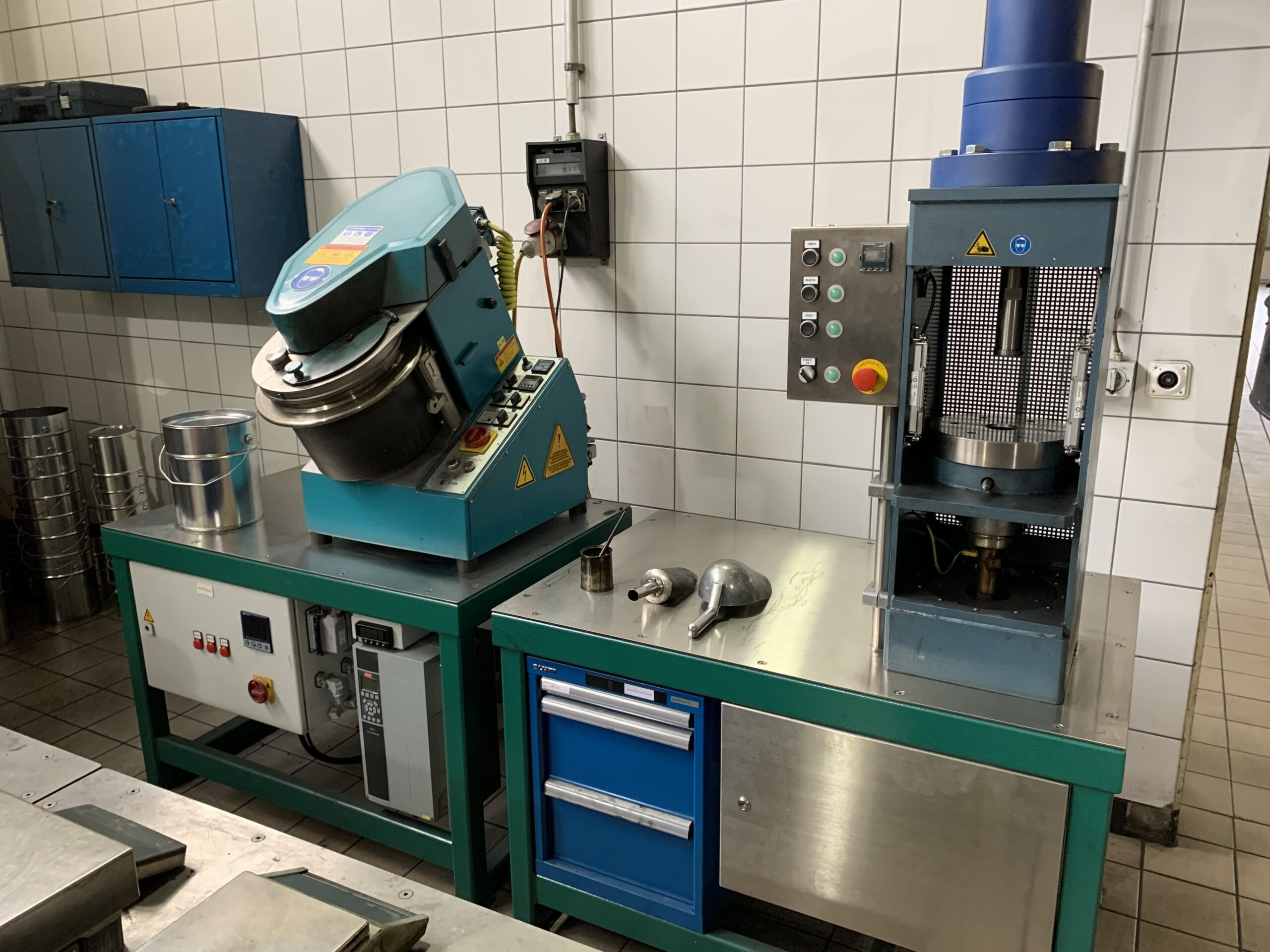
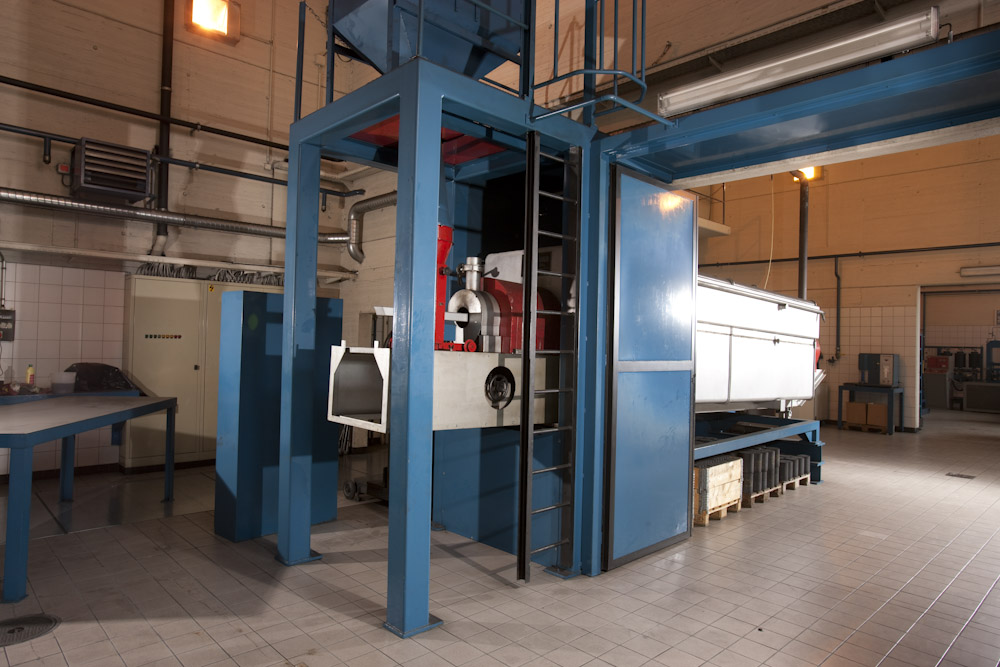
Our pilot plant is equipped with state-of-the-art facilities to prepare final products at both bench and pilot scale, starting from raw materials. Key processing equipment includes rotary kiln and static calciners, sieving machine, jaw and roller crushers, air jet mill for fines production and shaping, lengthwise graphitization furnace, intensive impeller mixer, floating mould press and vibro-compactor, extrusion press, baking furnaces, coin-cell assembler, etc.
For product characterization, our laboratory features advanced analytical tools capable of evaluating more than 80 different properties, including mercury porosimetry, optical microscopy, X-ray spectroscopy and diffraction, BET surface area analysis, and more.
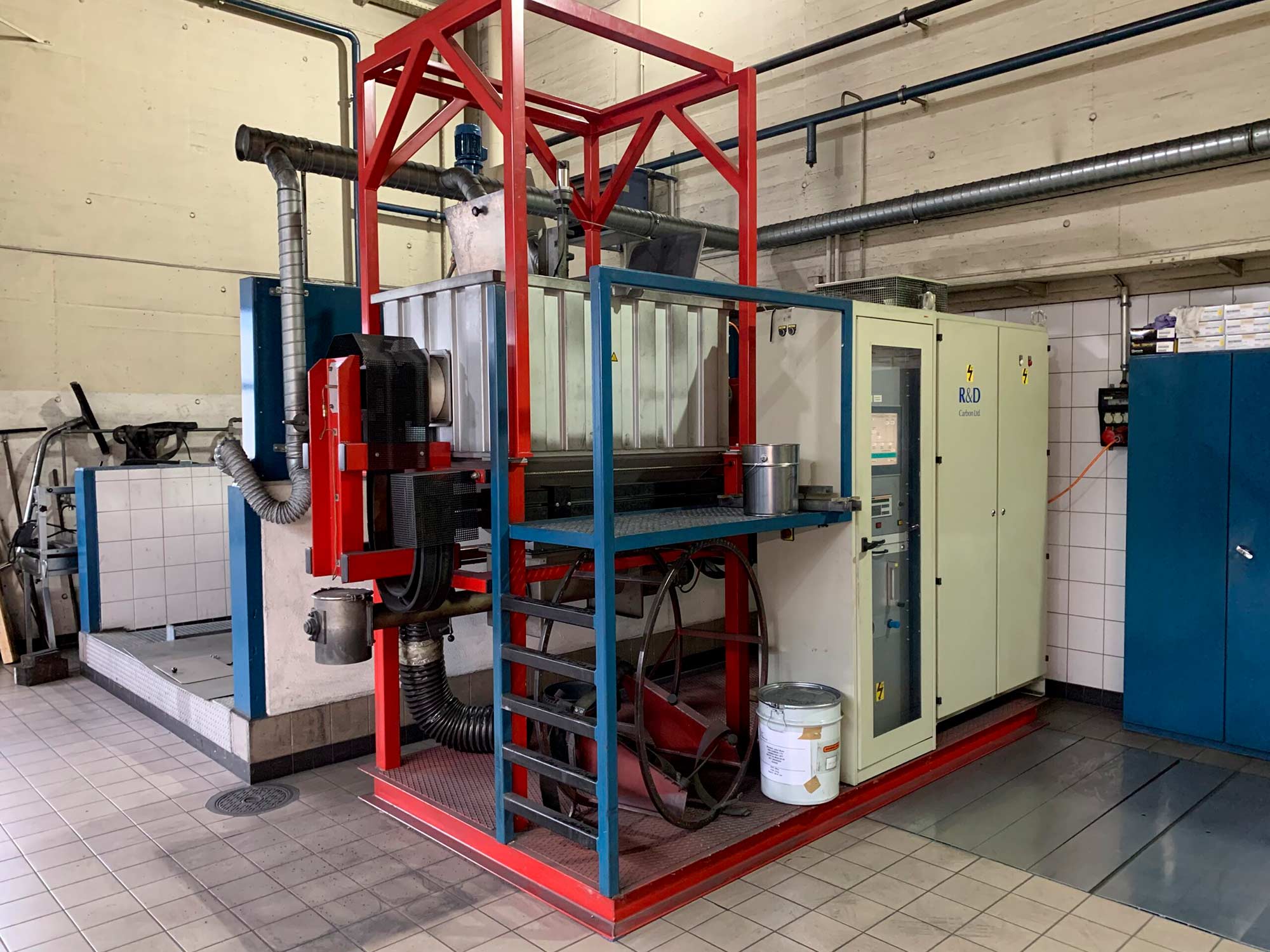



R&D Evaluations
We have developed testing procedures to assess the suitability of raw materials based on their intended applications. These standard evaluations allow you to compare the quality of new products with established carbon materials used in the industry. Some examples of standard evaluations are shown in the panel on the right.
Our R&D team is also available to customize evaluations to meet any specific requirements on request.

Have a green material and want to predict or optimize its quality after calcination? You’re in the right place. Our testing center is equipped with a pilot rotary kiln and static furnaces that replicate the conditions found in industrial rotary and shaft kilns. We can use our standard heat-up schedules, final temperatures, and soaking times, or develop fully tailored programs to meet your needs.
This evaluation includes measuring both the properties of the green material and those obtained after calcination, with comparisons to typical values and detailed technical commentary. Depending on your needs, this can be combined with further testing, such as bench- or pilot-scale electrode evaluations tailored to your specific application.

Looking to evaluate a candidate for artificial graphite production or measure the expansion of baked cathodes or electrodes during heat treatment? Our pilot lengthwise graphitization furnace is ready for the task.
With a maximum temperature of 3’000 °C, a single run takes approximately two days and allows graphitization of up to approximately 800 grams of granular carbon or baked cores with a length of 470 mm. Equipped with a length measurement sensor, it can accurately track core expansion as a function of temperature. Depending on your requirements, properties can be measured before and after heat treatment, or combined with full investigations, including pilot-scale cathode or graphite electrode evaluations and coin-cell testing.
Looking to compare raw materials or validate a new coke or binder candidate for anode production? Start at the bench scale to avoid costly industrial-scale trials.
This evaluation includes measuring the properties of the raw materials, producing sets of bench-scale anodes with varying binder contents, and analyzing their properties. For binder evaluation, a standard dry aggregate recipe developed by R&D Carbon is used, while a typical binder is applied for calcined coke assessment. Sample preparation and dry aggregate formulation follow a well-defined procedure, allowing results to be compared with typical ranges for widely used raw materials. Tailored evaluations can also be arranged to meet your specific requirements.
Looking to validate your dry aggregate formulation or optimize your paste quality for anode or cathode production? Do it at the pilot scale to avoid costly industrial-scale trials.
This evaluation includes measuring raw material properties, producing pilot-scale anodes or cathodes under conditions aligned with your production and expectations, and analyzing their properties. Upon request, pilot anodes or cathodes can also be made from your production paste, baked and/or graphitized under well-controlled conditions in our pilot plant, and tested for key properties. A comprehensive technical report, including all results and expert commentary, provides the insights you need to make informed decisions and achieve benchmark quality in your process.
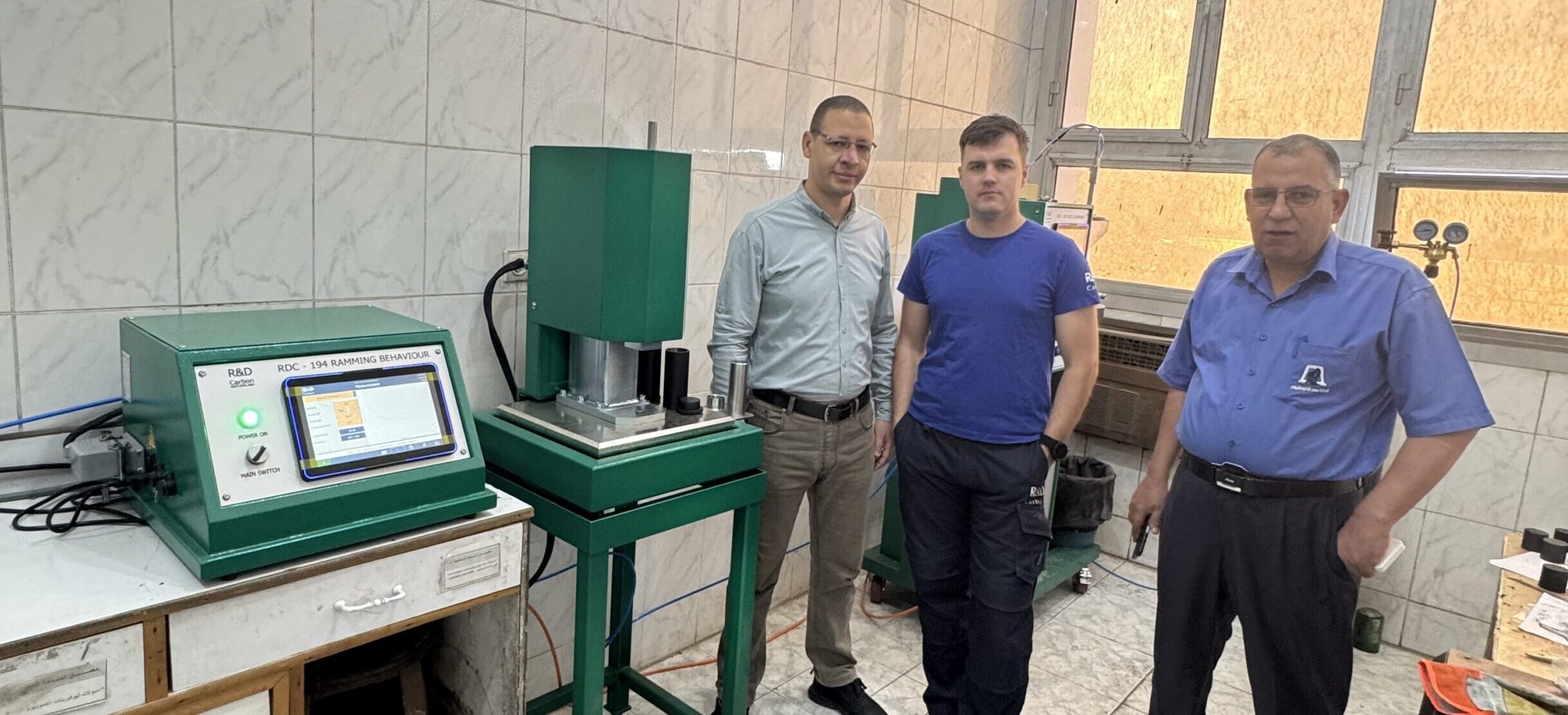
Looking to assess the quality of the ramming pastes used in your process, or aiming to develop a new product as a supplier? You’re in the right place.
This evaluation can be performed on industrial pastes or, upon request, on pastes prepared at the pilot scale. It includes testing the properties of the green paste, such as shrinkage during baking or ideal ramming temperature, as well as the production, baking, and testing of cores from pilot electrodes and a rammed block. While pilot electrode properties provide insights into your paste quality, measurements on the rammed block help evaluate the cohesion between paste layers.
Looking to assess the quality of the Söderberg pastes used in your process, or aiming to develop a new product as a supplier? Our standard evaluation is designed for this purpose, covering applications in both the aluminium industry and arc furnaces.
This evaluation can be performed on industrial pastes or, upon request, on pastes prepared at the pilot scale. It includes testing the properties of the green paste, such as green apparent density and flowability, as well as the forming and baking of two pilot electrodes. Based on properties measured from drilled cores of the baked electrodes, a detailed technical report is provided, including comparisons to typical values for the targeted application.
Looking to evaluate a needle coke candidate, validate your dry aggregate formulation, or optimize your paste quality for graphite electrode production? Start at the pilot scale to avoid costly industrial-scale trials.
This evaluation includes measuring coke properties and producing sets of green, extruded pilot-scale electrodes with varying binder contents. Once the optimal binder content is identified, based on forming parameters and green and baked electrode properties, graphitization is carried out up to 3’000 °C in our lengthwise furnace, both parallel and perpendicular to the extrusion. The length change measured on the electrode column during the heat-treatment can be used to further optimize the power curve of your industrial graphitization furnace.
A comprehensive technical report, including all results and expert commentary, provides the insights needed to make informed decisions, reduce production costs, and achieve benchmark quality in your process.
Have a new carbon candidate for use as negative active material in batteries or any other additive that may improve battery performance? Our research center is fully equipped to support you. Even if only a carbon precursor, such as green coke, is available, we can handle upon request the entire preparation process, from carbonization, milling and shaping, to final graphitization.
Our typical coin-cell evaluation begins with the characterization of the carbon powder. A high-quality slurry is then formulated, tested, and precisely coated onto metal foil under controlled conditions. A key advantage of our facility is our fully automated coin-cell assembly system, installed in a controlled glovebox environment, ensuring high repeatability, reliability and data consistency.
The assembled cells undergo detailed electrochemical characterization, including, for example, formation cycle with initial coulombic efficiency evaluation, impedance spectroscopy, rate capability testing, among other parameters depending on your requirements. All results and observations are compiled in a comprehensive technical report. Upon request, this evaluation can be tailored to meet your specific needs.
Our Written Research
Our research activities are documented in books and technical papers, published in leading international journals and presented at major conferences worldwide. Explore the links below to discover the subjects of our publications or learn more about our books, which summarize years of research and innovation.