General Description
The porosity of the different raw materials used for the production of electrodes has a very big impact on the electrode performance, not only for its quality but also in terms of process parameters to be optimized accordingly, such as the binder content. A simple and easy way to determine the porosity level is to determine the Bulk Density of the materials. Measuring fractions from different grain sizes allows having an overview of the material quality. Its information is vital for adequate process control.
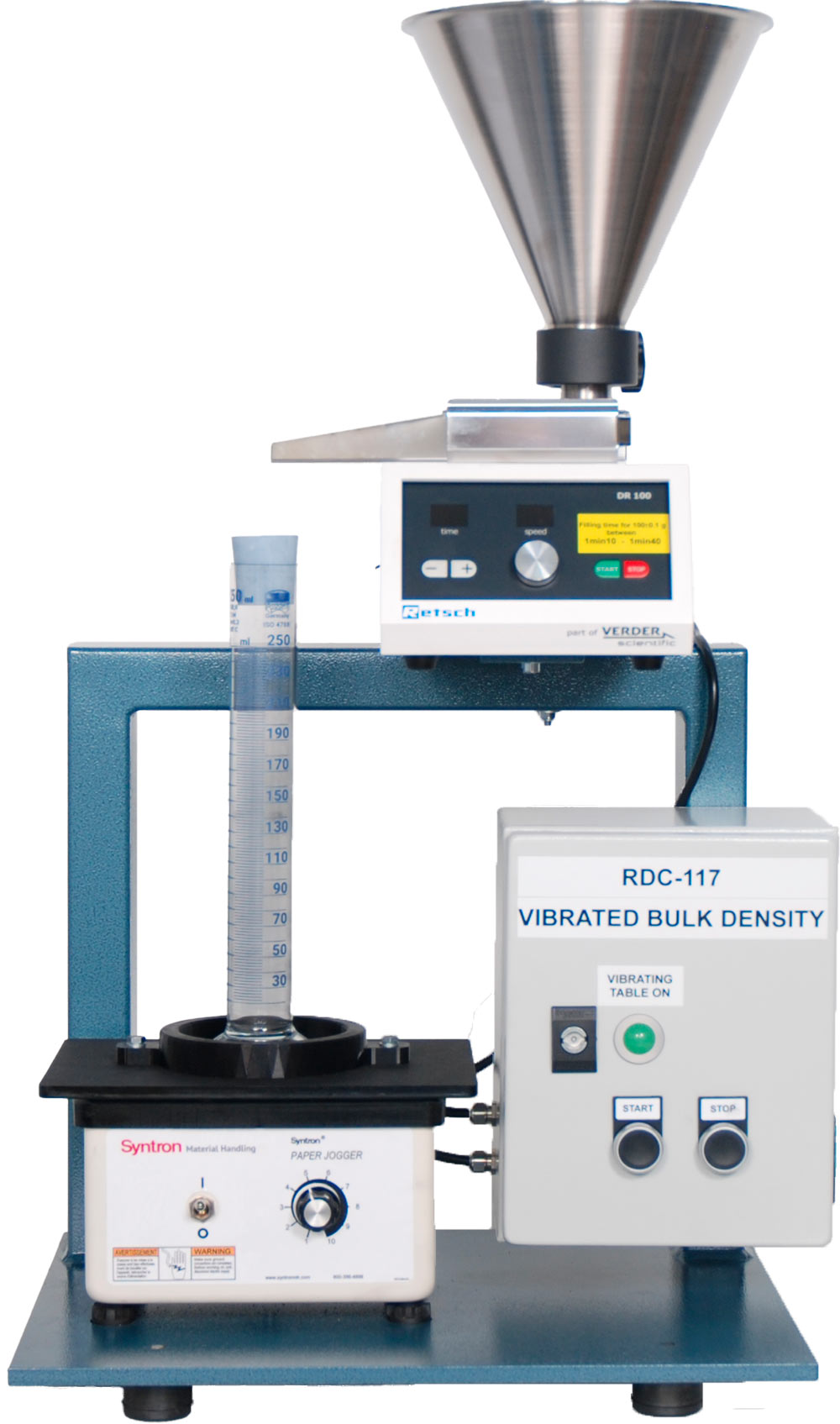
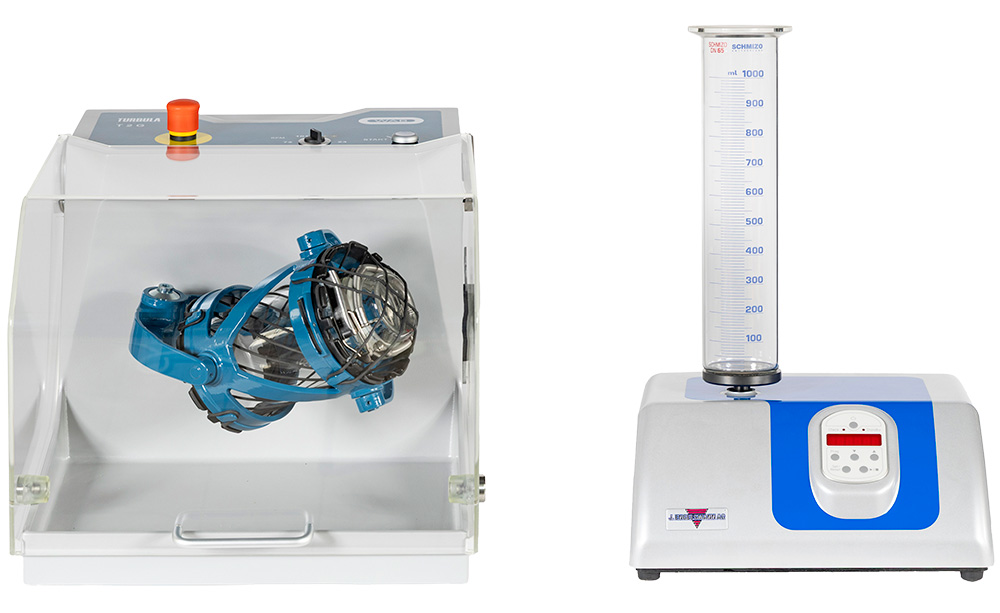
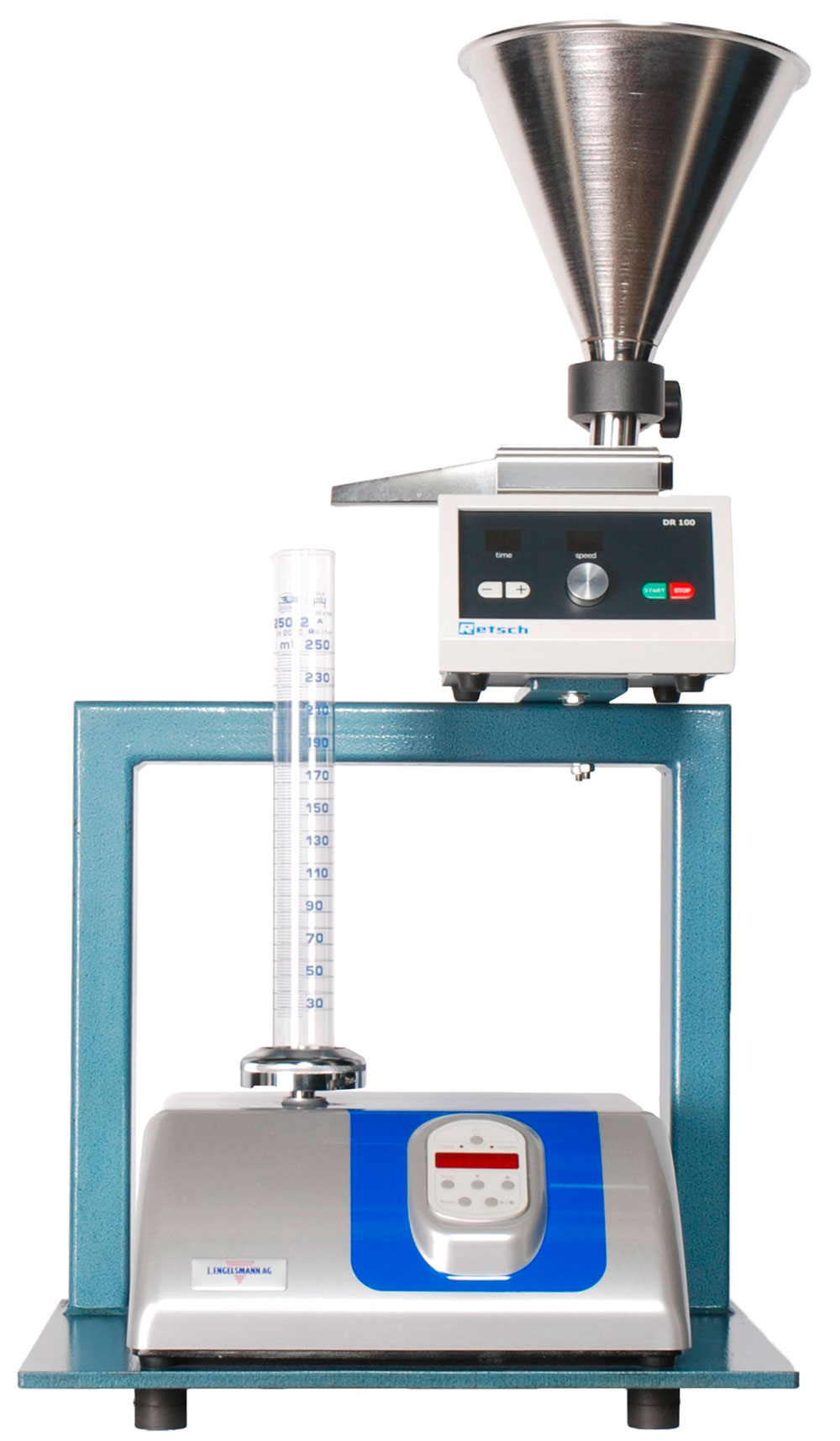
The measurement is conducted with the RDC-153 apparatus, where a given quantity of grains from specific fractions is filled under controlled conditions into a graduated cylinder. This cylinder is then tapped for a given number of strokes and the volume of the sample is measured after the test. The bulk density is calculated and reported in kg/dm3, as the ratio of the sample’s mass to its volume.
According to the ISO 10236 standard method, this measurement is done on natural sieved material (no crushing during the sample preparation) and five different fractions (8-4, 4-2, 2-1, 1-0.5 and 0.5-0.25 mm) are measured separately.
Technical Information
Additional Recommended Equipment
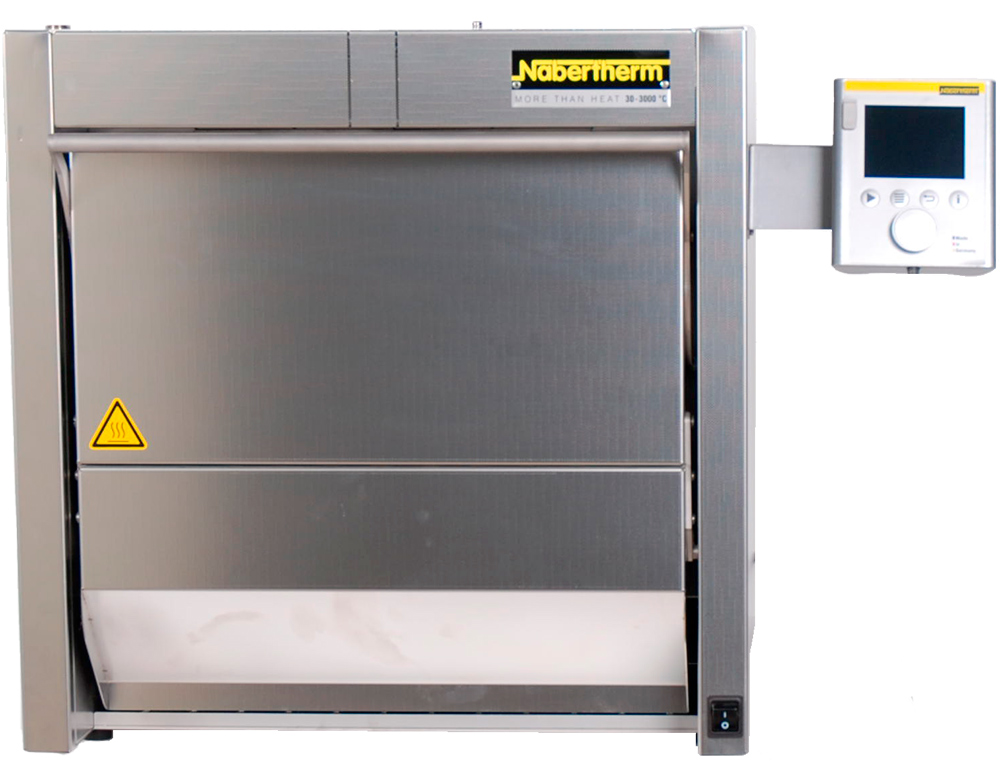
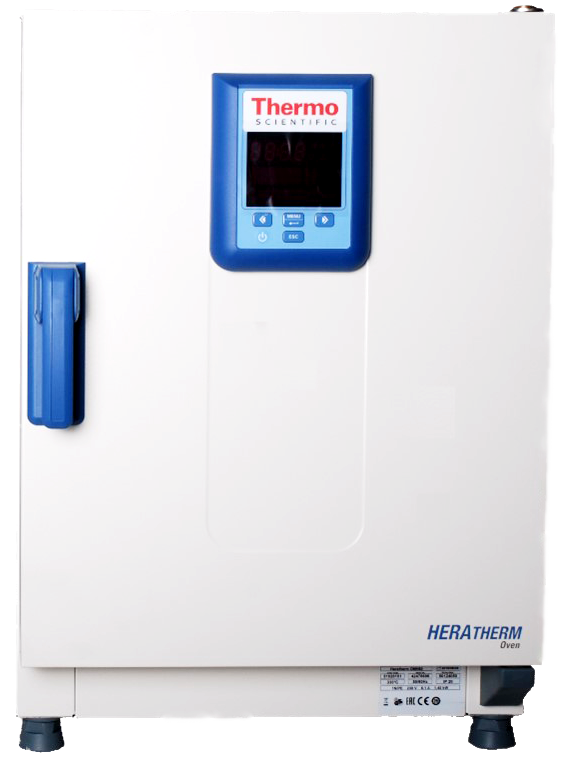
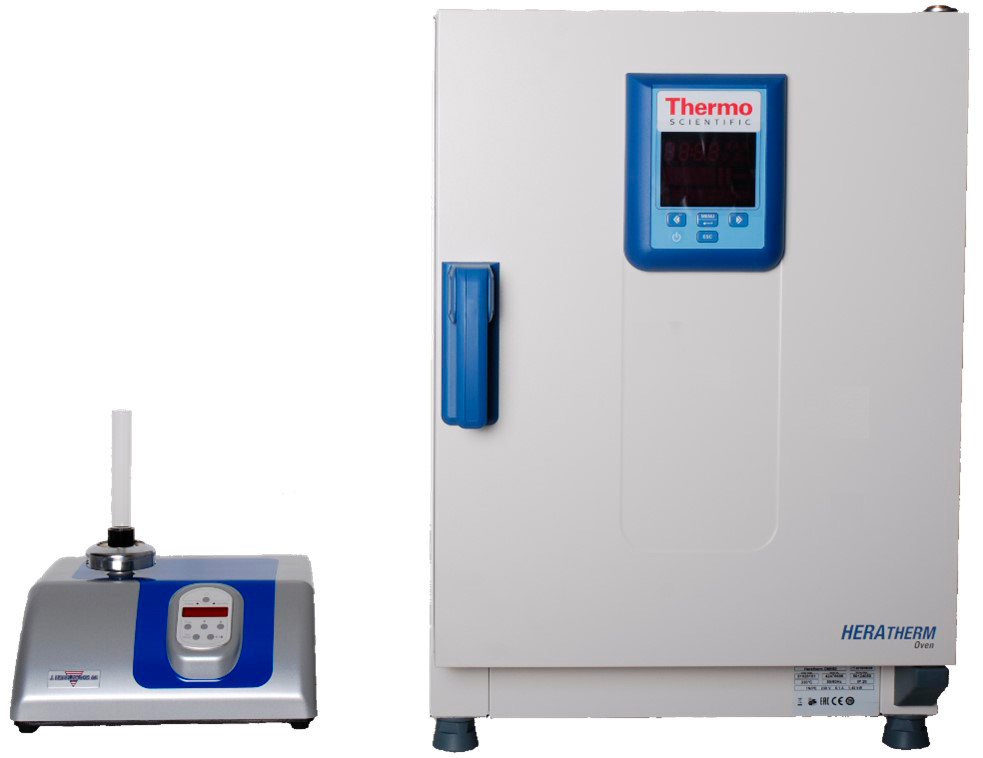
Drying oven (min. temperature 110°C)
Weighing scale with an accuracy of 0.1 g
Sieving machine (8, 4, 2, 1, 0.5 and 0.25 mm sieves)

Other Granular Equipment