General Description
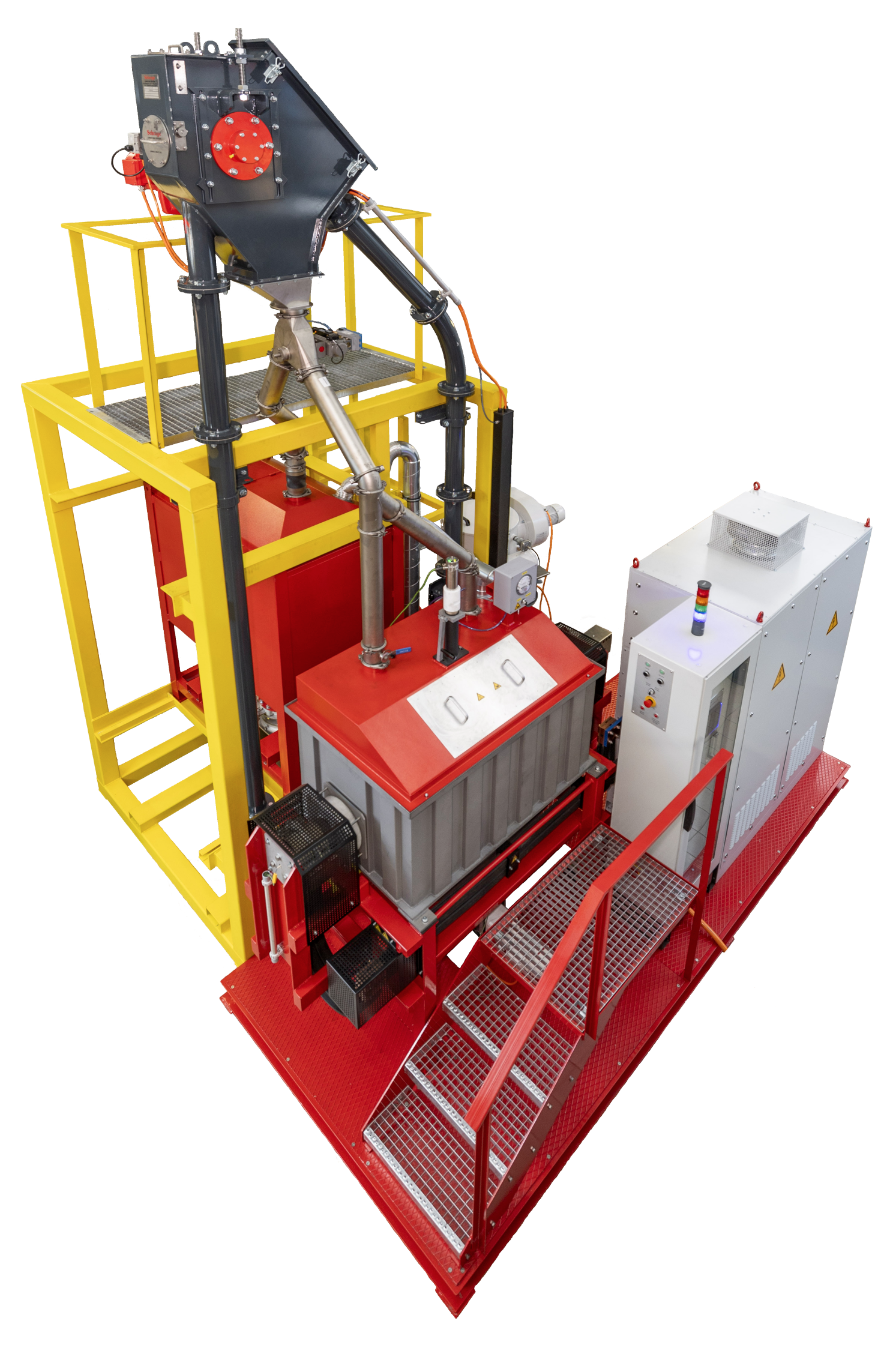
The bottom of aluminium electrolysis cells is lined with cathode blocks that are sealed with a ramming paste to avoid any leakage. When lining a cell, the green paste is directly rammed between the cathode blocks and baked in situ during the start-up of the pot with the process heat.
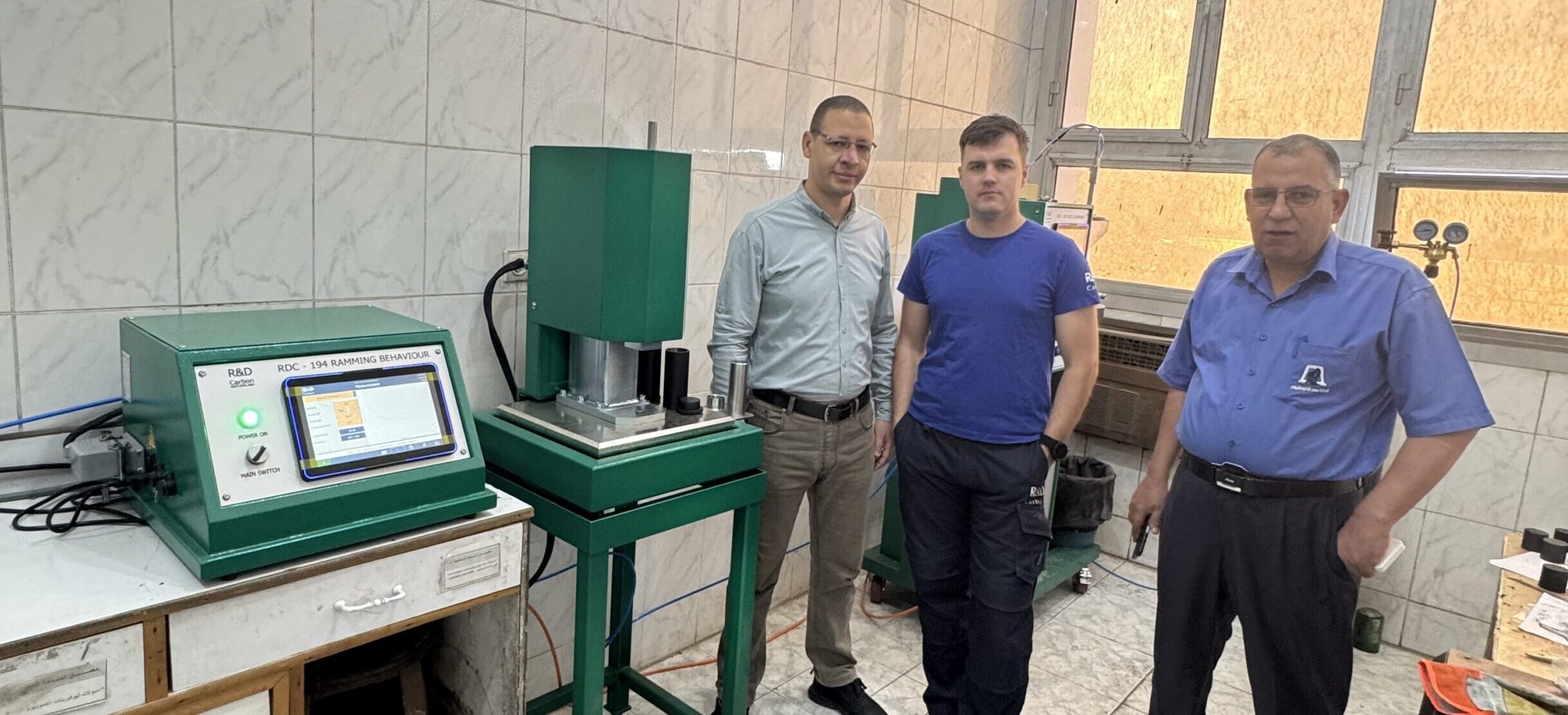
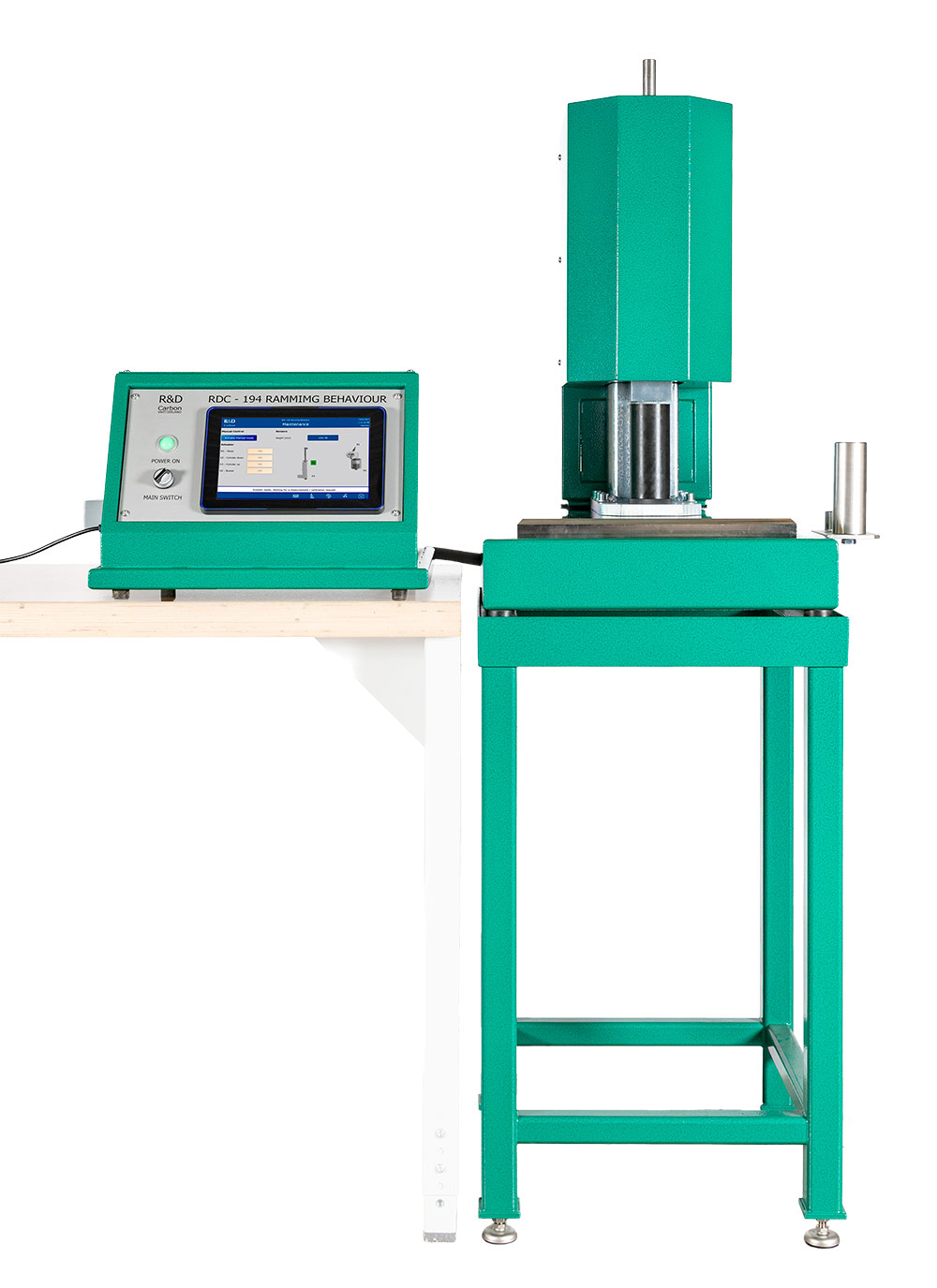
The quality of the paste is of primary importance to ensure long operation without disturbances. For this purpose, the optimum temperature at which the paste must be rammed, called the temperature windows, should be determined. To measure the properties of the paste (such as the green apparent density and the paste shrinkage), a cylinder must first be prepared. The paste cylinder is prepared with the RDC-194 apparatus, which is an automatic ramming device combined with software for result calculation and interpretation. A given quantity of paste is placed in the sample preparation mold and is then rammed for a specific number of strokes. The change in height in function of the number of strokes during the test is recorded. This operation is repeated for at least three different paste temperature levels. This allows the software to automatically calculate the optimum temperature range at which the paste shall be rammed. Alternatively, a special mode can be selected for performing a sample preparation only for the RDC-195 Paste Shrinkage equipment.
Technical Information
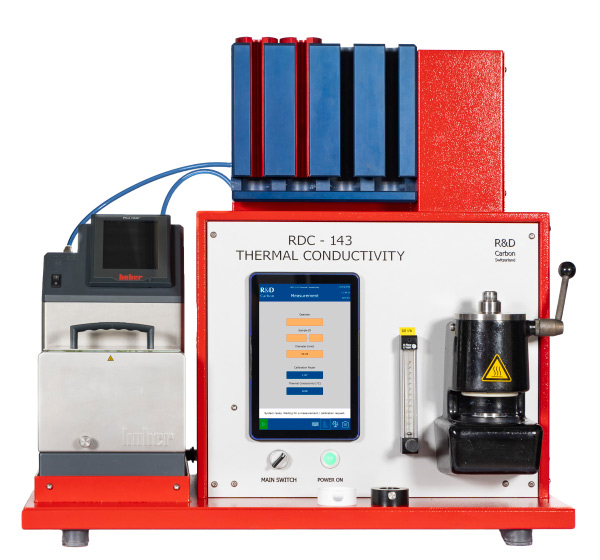
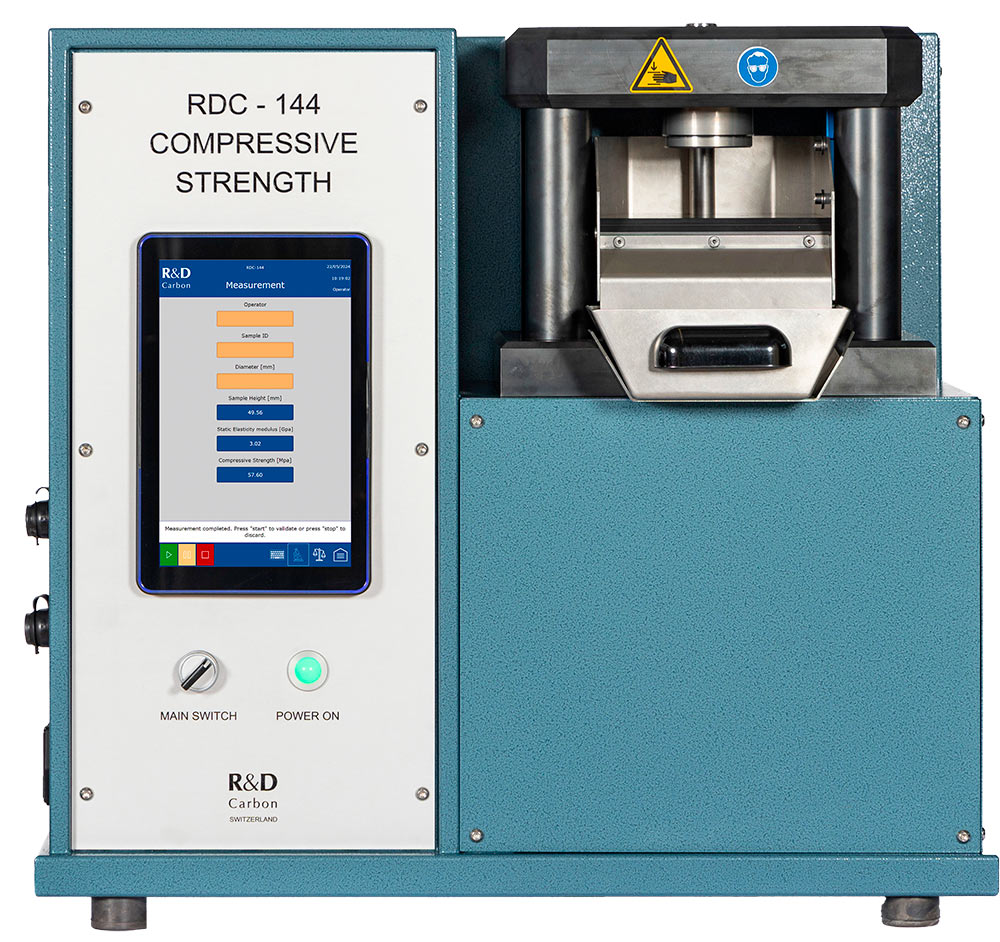
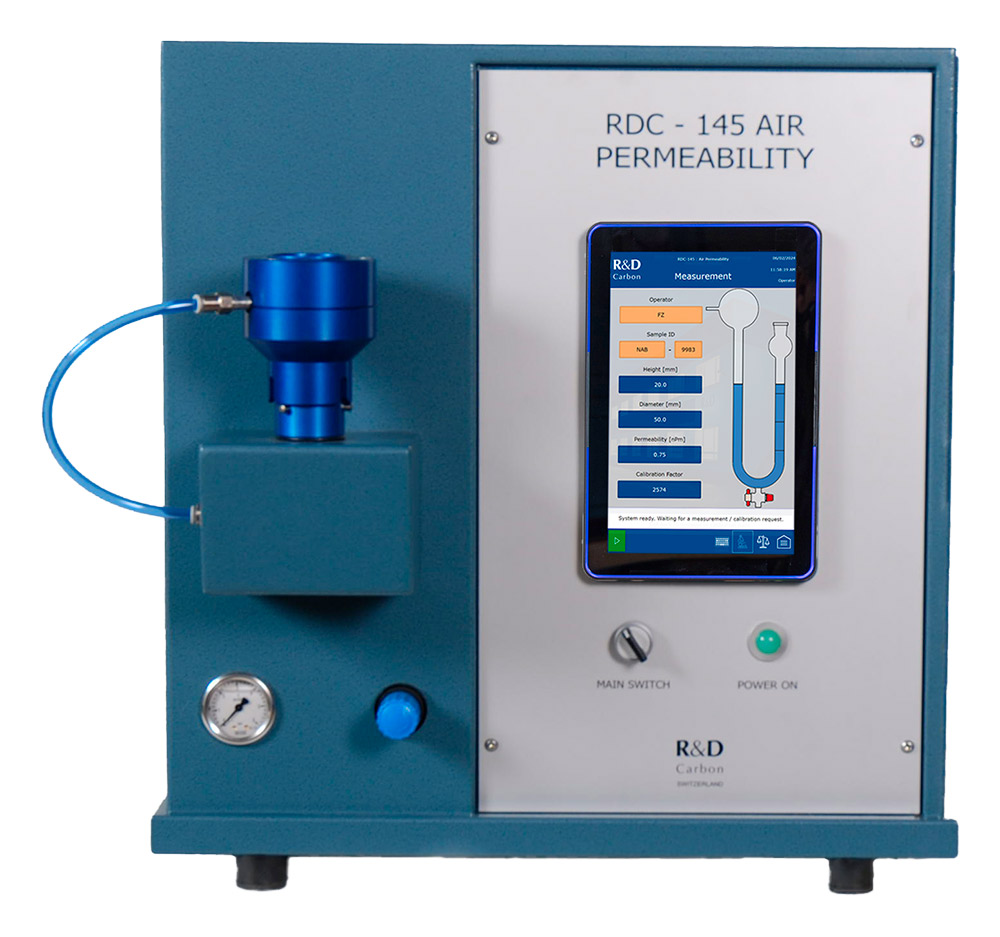
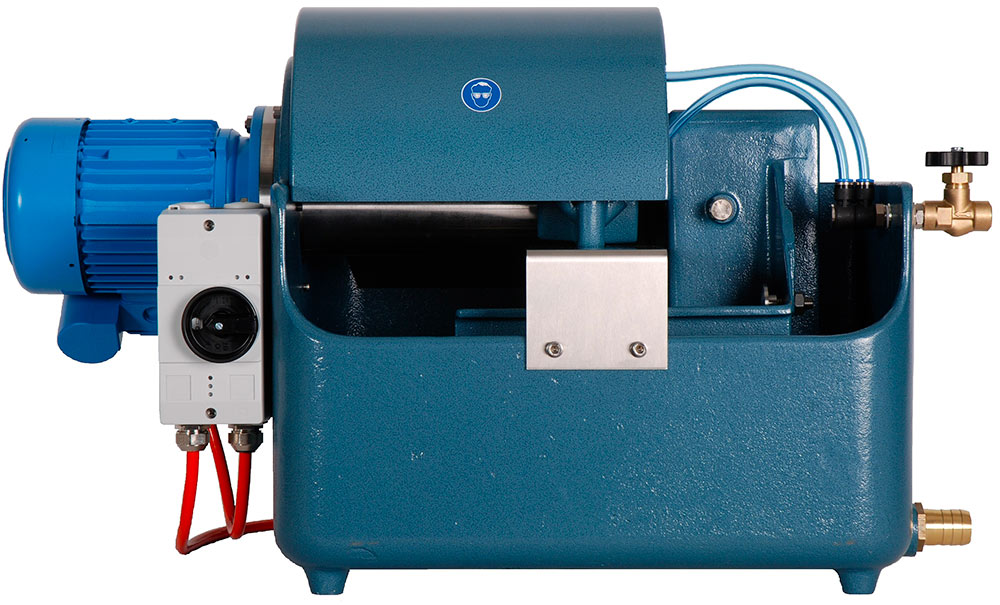
Additional Recommended Equipment
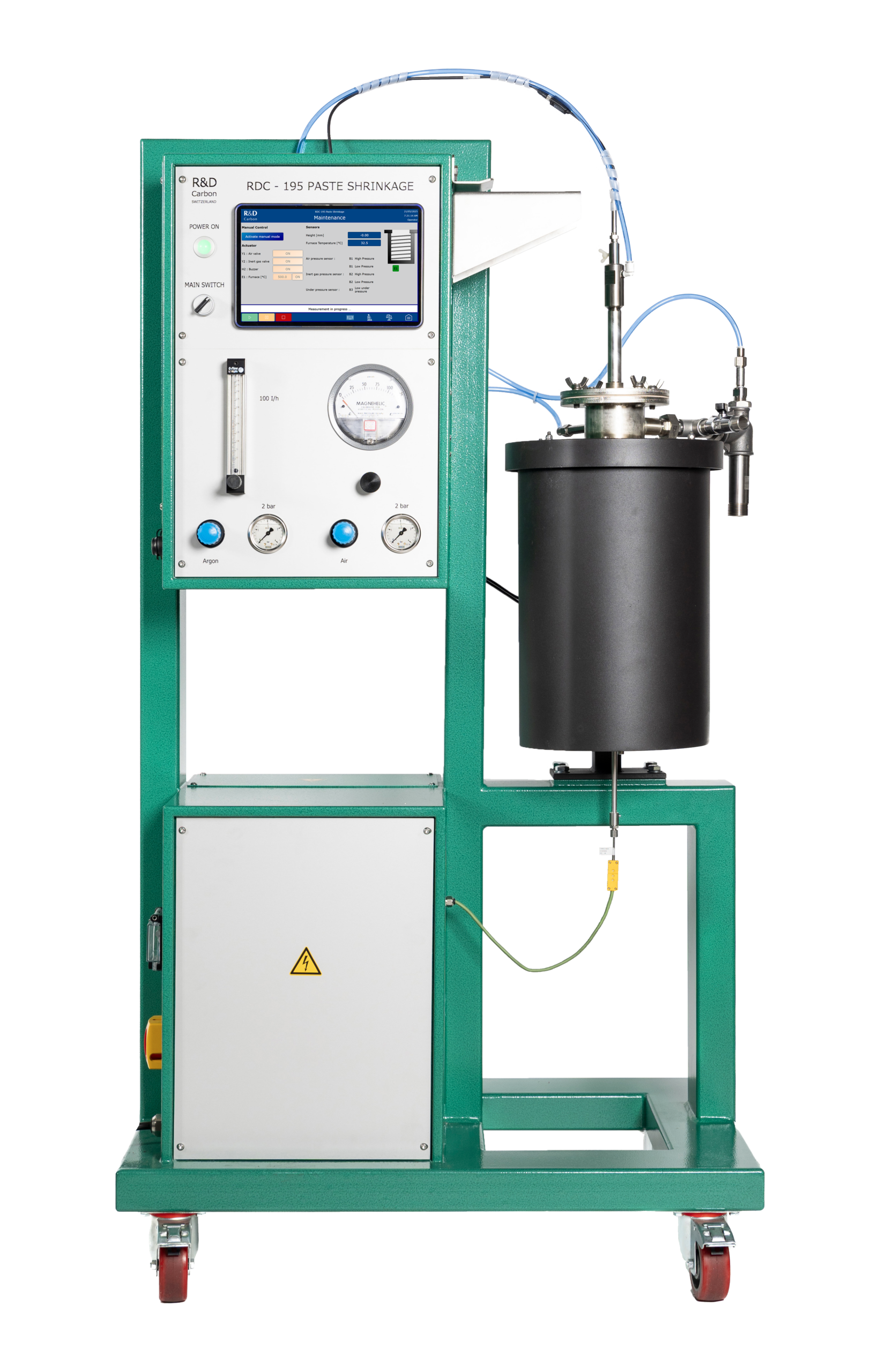
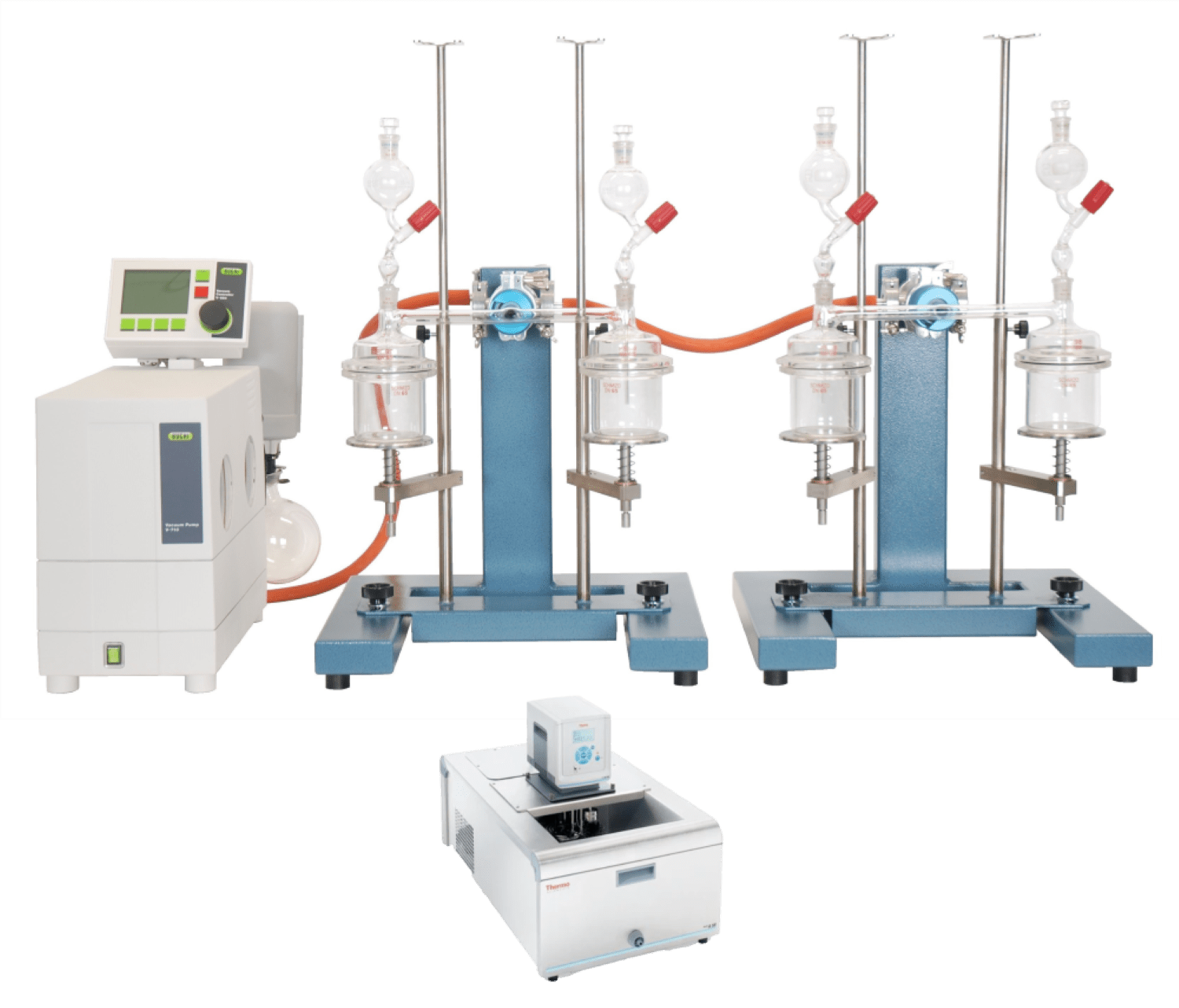
Paste Shrinkage (RDC–195)
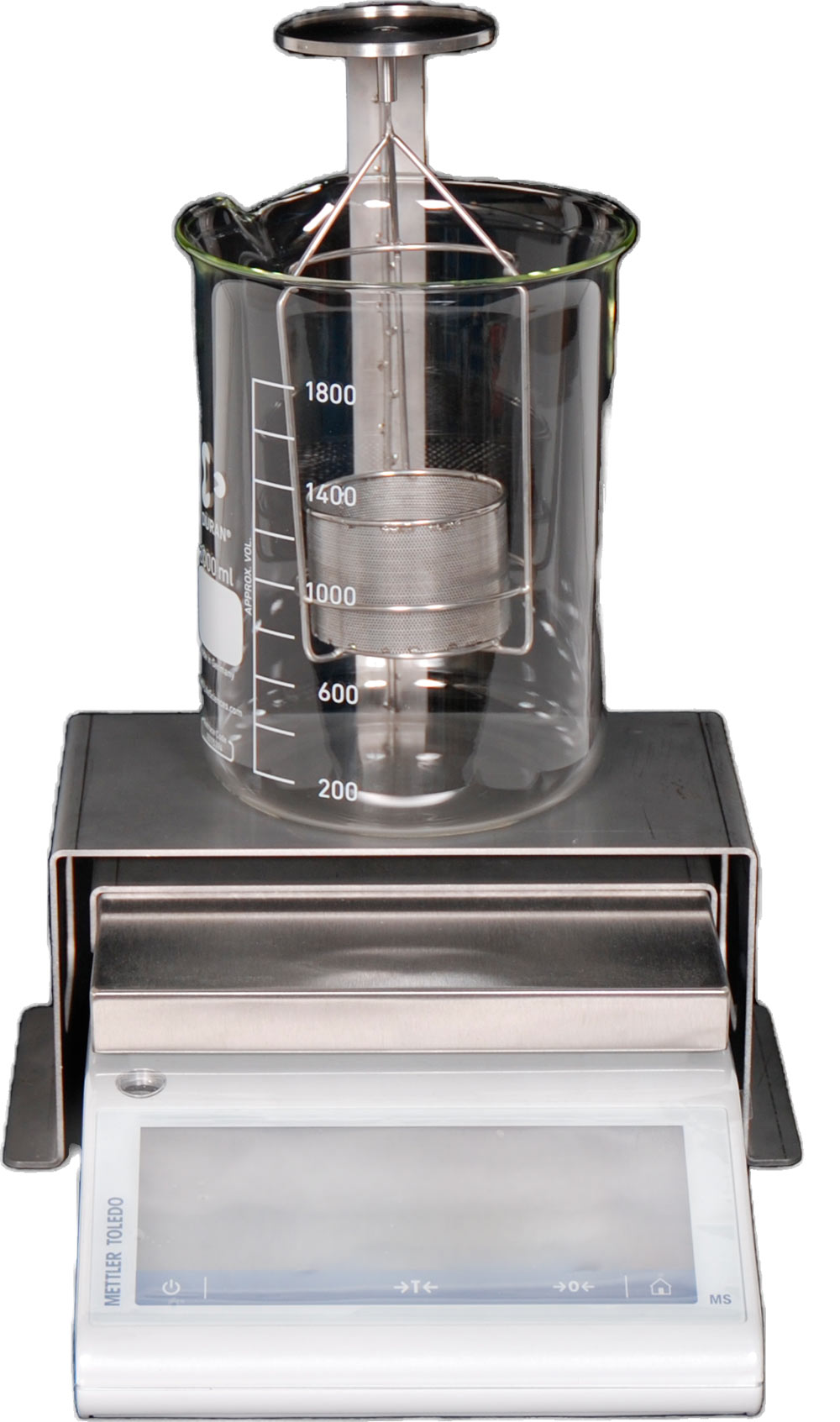
Weighing scale with an accuracy of 0.1 g
Oven or refrigerator

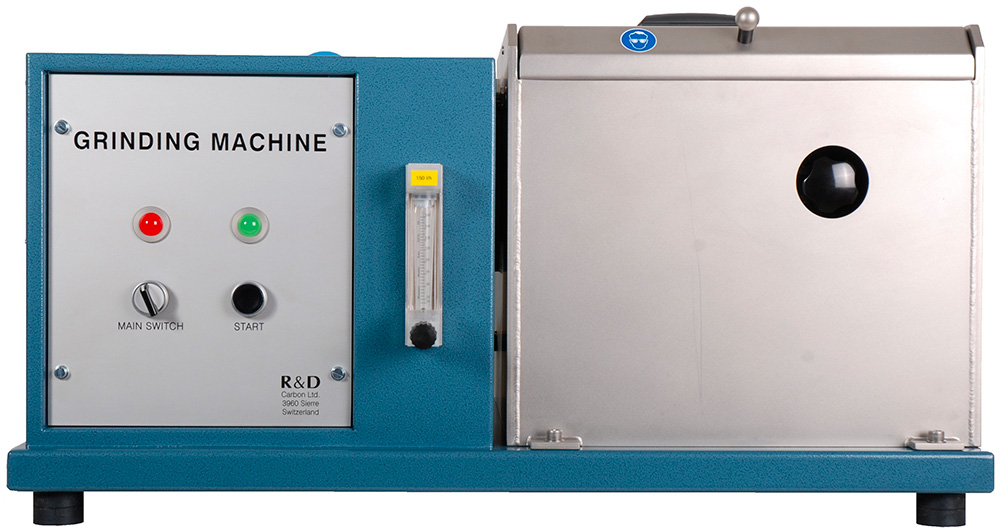
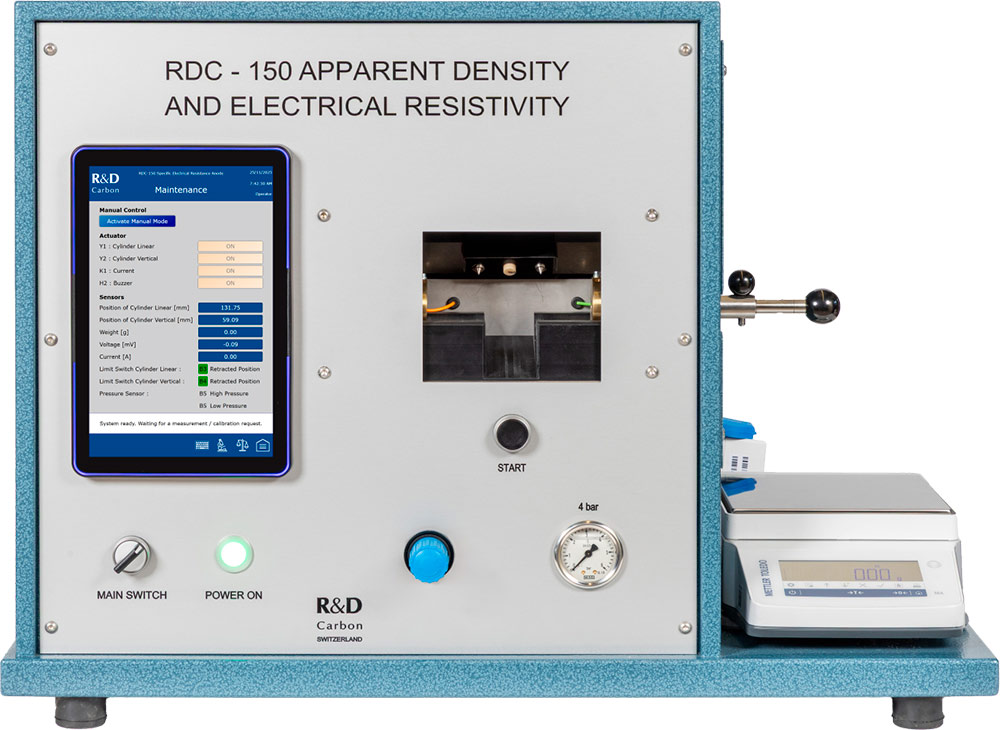
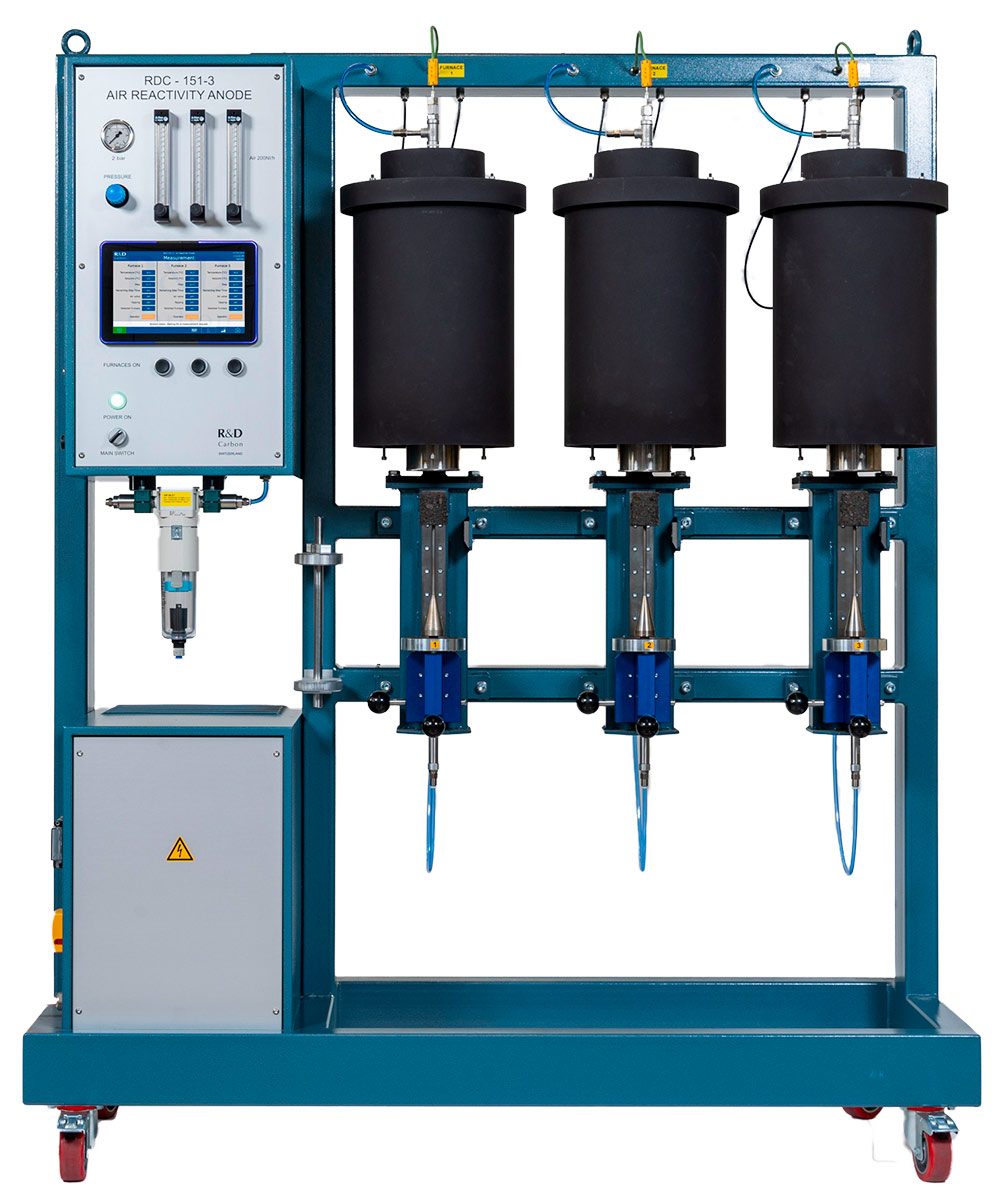
Other Lining Equipment