General Description
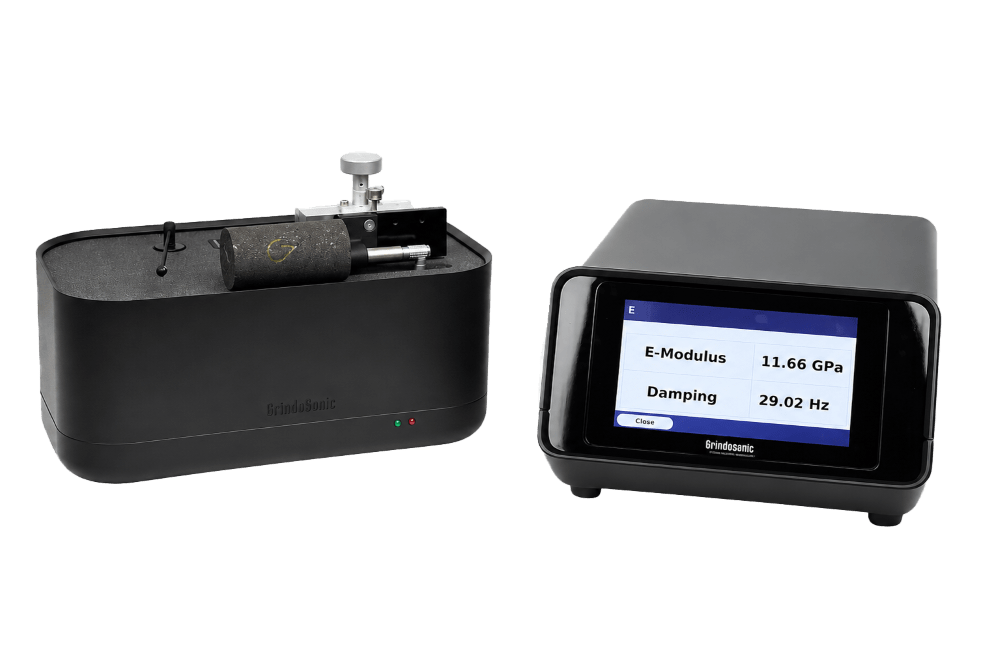
The Grindosonic MK7 is a fast, non-destructive testing system used to evaluate the quality and consistency of carbon and graphite materials. By measuring the natural resonance frequency of a specimen, the system determines the Dynamic Elasticity Modulus in GPa within seconds, without damaging the sample.
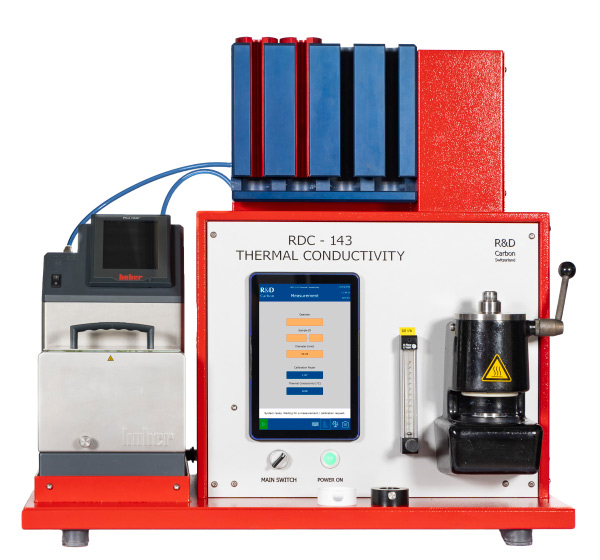
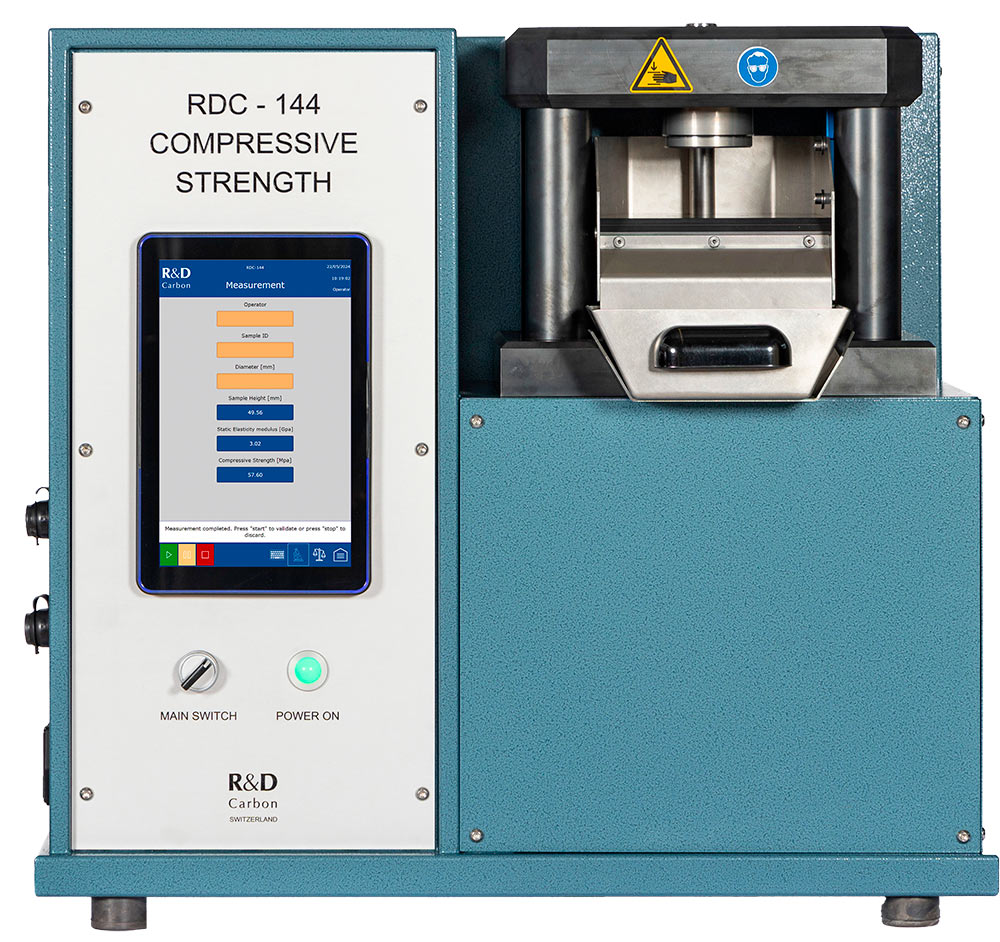
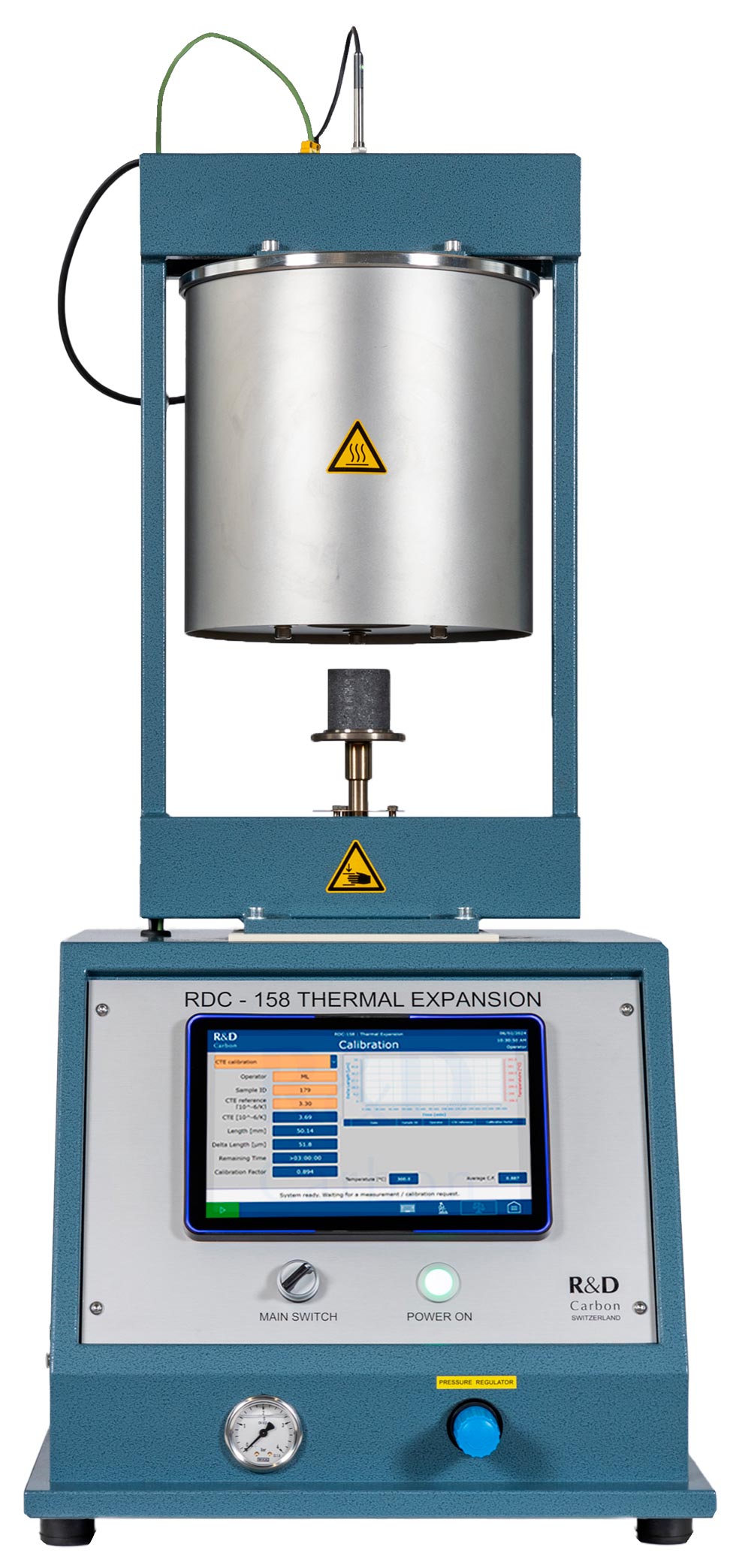
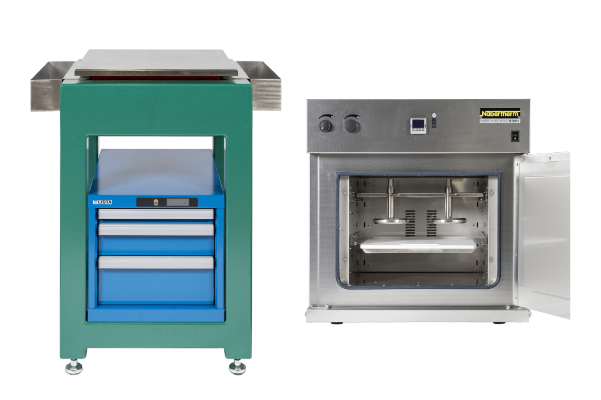
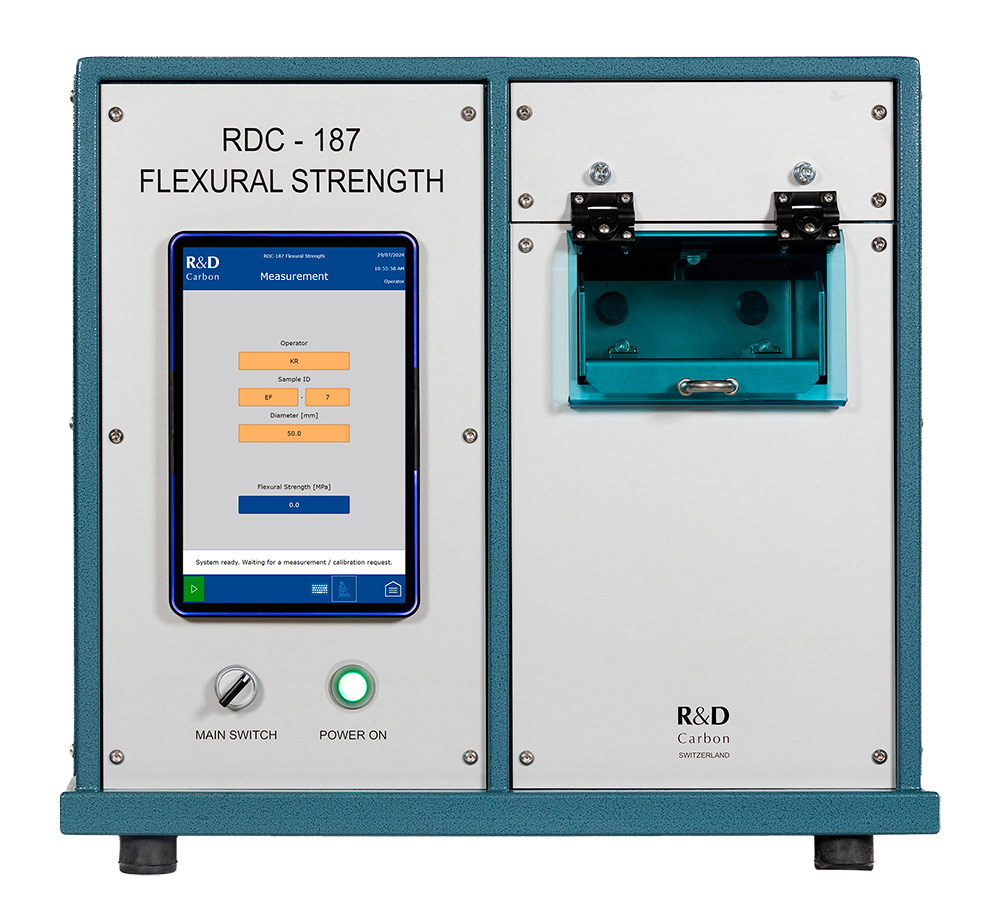
For carbon electrode manufacturers, the elasticity modulus is a key parameter for assessing thermal shock resistance and material performance. The dynamic elasticity modulus can be measured using the EXT-110 apparatus while the static elasticity modulus can be measured with the RDC-144 apparatus. Combined with thermal conductivity (RDC-143), coefficient of thermal expansion (RDC-158) and flexural strength (RDC-187), it contributes to the evaluation of an electrode’s ability to withstand severe operating conditions and rapid temperature changes. Beyond modulus determination, resonance measurements are highly sensitive to internal material variations. Changes in resonance frequency and damping can reveal differences in homogeneity, microcracking, internal defects or material degradation, making the technique particularly valuable for quality control and process monitoring. For routine industrial testing, the system can be supplied with a dedicated measurement station, providing fast, repeatable and operator-independent results. This configuration is particularly well suited for quality control laboratories and production environments where consistency, reliability and testing throughput are essential.
Technical Information

Other Electrodes, Lining Equipment